Customer Service
(903) 234-8922

Cleaning and Caring for Your Carport’s Exterior
Published September 4, 2026
Your carport’s exterior takes on more punishment than almost any other part of your property. Sun, rain, pollen, and road dust hit those steel panels every single day, and most homeowners never think about maintenance until they spot a rust streak or a chalky finish. A little regular attention keeps your structure looking sharp and protects the steel underneath for decades.
Metal buildings hold up far better than wood over time, but they still need care. Dirt and grime trap moisture against the panels, and that moisture eventually breaks down the protective coating. Cleaning your carport’s exterior on a regular schedule stops that cycle before it starts.
Neighbors and visitors notice a clean structure before they notice almost anything else on your property. A carport streaked with grime or dotted with rust spots drags down curb appeal even when the rest of your yard looks great. A quick seasonal wash keeps your investment looking as good as the day the crew finished installation.
Why Your Carport’s Exterior Needs Regular Care
Steel panels carry a protective coating that shields the metal from rust and UV damage. Dirt, pollen, and tree sap sit on that coating and slowly wear it down. Rain alone doesn’t rinse away everything; grime builds up in the ridges and seams, and that’s exactly where corrosion starts.
East Texas weather adds another layer of difficulty. Humidity stays high for most of the year, and heavy spring storms drop pollen and debris across every exposed surface. Owners who skip cleaning for a season or two often notice streaking near the roofline first, since water carries dirt down the panels every time it rains.
A clean exterior also holds its color longer. UV rays fade painted steel over time, and a layer of grime accelerates that fading because it traps heat against the surface. Regular washing keeps the paint job looking close to new and helps you avoid an early repaint.
Resale value depends on curb appeal more than most sellers realize. Buyers walk the property and judge every structure on it, and a spotless carport signals that you maintained the rest of the home just as carefully. A neglected one raises questions about what other maintenance you skipped.
A Simple Cleaning Routine That Works
Start with a garden hose and a soft-bristle brush. Spray down the entire structure first to loosen surface dirt, then work in sections with mild dish soap and warm water. Skip anything abrasive; steel wool and heavy-duty scrub pads scratch the coating and open the door to rust.
Skip bleach and ammonia-based cleaners, too. These break down protective coatings faster than plain grime does, and they strip color from painted steel over just a few washes. A gentle car-wash soap or dish detergent lifts dirt just as well without the risk.
Pick a cloudy, mild day for the job whenever you can. Direct sun dries soap onto the panels before you finish rinsing, and that leaves streaks and spots that require a second pass. Cooler weather also keeps the metal at a safer temperature to touch while you work.
A pressure washer speeds up the job, but keep the nozzle on a wide-fan setting and hold it at least two feet from the panels. A narrow, high-pressure stream strips paint and forces water behind trim pieces, which causes hidden rust down the line. Bob Vila’s guide on maintaining outdoor metal recommends this same low-pressure approach, since aggressive cleaning tools do more harm than the dirt they remove.
Rinse from the top down so soap and grime run off instead of drying on the panels. Direct that runoff toward your lawn or a gravel bed rather than a storm drain; the EPA’s research on urban stormwater runoff shows how detergent and debris from routine washing can end up in local waterways when it flows straight into the street.
Wipe down the trim, gutters, and downspouts while you’re already out there. These smaller components trap leaves and grit more than the flat panels do, and clogged gutters send water straight down the side of your carport’s exterior instead of away from it.
Let everything air dry once you finish rinsing, then walk the structure one more time. Wet steel hides small rust spots and scratches that show up clearly once the surface dries, so this second look catches problems before they grow.
Stopping Rust Before It Spreads
Rust starts small: a pinpoint orange spot near a screw head or a seam. Sand that spot down to bare metal with fine-grit sandpaper, wipe away the dust, and apply a rust-inhibiting primer before the corrosion spreads further. This Old House covers a similar process for protecting exposed metalwork, and the same principle applies to steel carports.
Touch-up paint matters just as much as the primer underneath it. Match the shade exactly using our color guide so the repair blends into the rest of the structure instead of standing out as a patch. A close color match also signals that you catch problems early, which matters if you ever sell the property.
Scratches deserve the same quick attention as rust spots. Bare steel exposed to moisture starts corroding within days in humid climates, so keep a small can of matching paint on hand for nicks from lawn equipment, ladders, or falling branches.
Check fasteners, trim edges, and end caps separately from the flat panels. Screws and seams flex slightly with temperature changes, and that movement wears through the coating faster than it does on open surfaces. A dab of primer on an exposed screw head today saves you from a rust ring around it next year.
Galvanized steel and painted steel need slightly different attention. Galvanized panels resist rust naturally through their zinc coating, but scratches still expose bare metal underneath and deserve a matching touch-up. Painted panels rely entirely on that top layer for protection, so treat any chip or scrape on them as a priority repair.
Seasonal Care Keeps It Looking New
Spring calls for a full wash after pollen season ends, since that yellow dust bonds to painted steel faster than almost anything else it encounters. Summer heat dries grime onto the panels quickly, so a mid-summer rinse prevents buildup from baking on. Fall means clearing leaves from the roof and gutters before they trap moisture against the seams, and winter is the season to check for ice buildup that can stress panel joints.
Avoid metal shovels, ice picks, or salt when you clear snow and ice off the roof. These tools chip paint and scratch the coating just as easily as they remove ice, and rock salt speeds up corrosion wherever it lands. A plastic scraper and a broom handle the job just as effectively without the damage.
Extreme summer heat causes steel to expand slightly, which can loosen fasteners over a few seasons. Give every bolt and screw a quick check each August, and tighten anything that feels loose before fall storms arrive.
Building style plays a role in how much upkeep you’ll need. Fully enclosed structures shed water differently than open carports, and each of the custom carports East Texas Carports builds comes with slightly different maintenance needs depending on roof style and panel gauge. Talk with our team before you settle on a design if long-term upkeep is a priority for you.
Inspect your structure twice a year at minimum, ideally in spring and fall. Walk the full perimeter, check every seam, and look underneath the roofline where debris collects out of sight. Catching a small issue during a routine check costs far less than repairing widespread rust later.
Some jobs still call for professional help. Rust that spreads across a large section of your carport’s exterior, structural staining, or damage near the roofline after a storm goes beyond a simple touch-up kit. A professional crew brings the right equipment for tall structures and multi-vehicle carports, and they spot early warning signs that an untrained eye misses.
Keep a basic supply kit ready so small jobs never turn into big ones. Mild dish soap, a soft-bristle brush, fine-grit sandpaper, rust-inhibiting primer, and a can of matching touch-up paint cover almost every situation you’ll run into. Store the kit somewhere dry and check it each spring so you’re never caught without supplies when you spot a fresh scratch.
A well-maintained carport’s exterior doesn’t just look better; it protects your investment for the long haul. Steel structures can last thirty years or more with proper care, and cleaning takes a fraction of the time that repairs or repainting eventually demand. Set a reminder on your calendar, keep a soft brush and mild soap on hand, and treat maintenance as a routine task rather than a chore you save for when problems already show up.
Your carport’s exterior reflects how well you care for the rest of your property. A few hours of cleaning each season keeps rust away, preserves the paint finish, and keeps your structure standing strong for decades to come.
RECENT ARTICLES
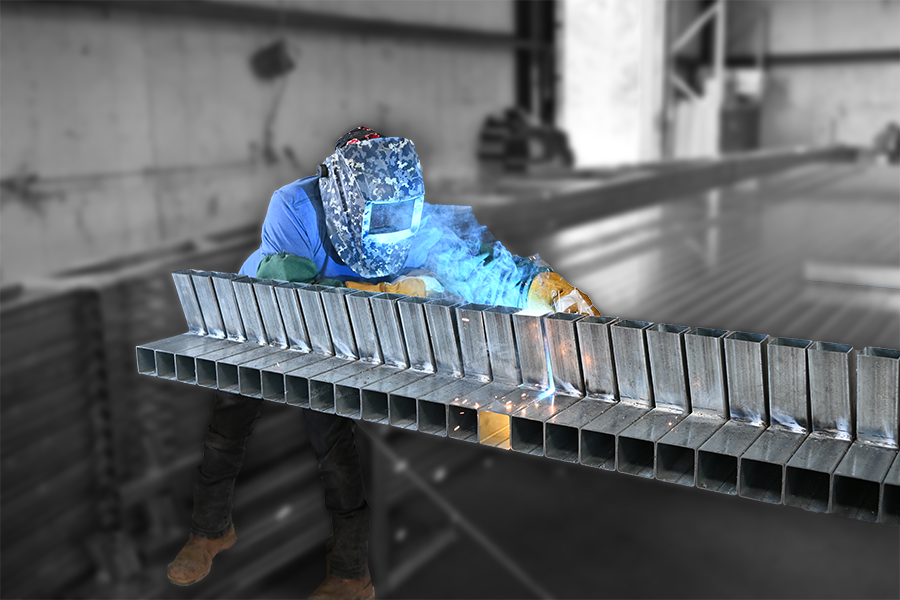
October 15, 2026
Lock In Steel Building Prices Before They Rise
When you’re planning a carport, garage, or barn, the price on your quote seems like the most stable part of…
Read Full Article
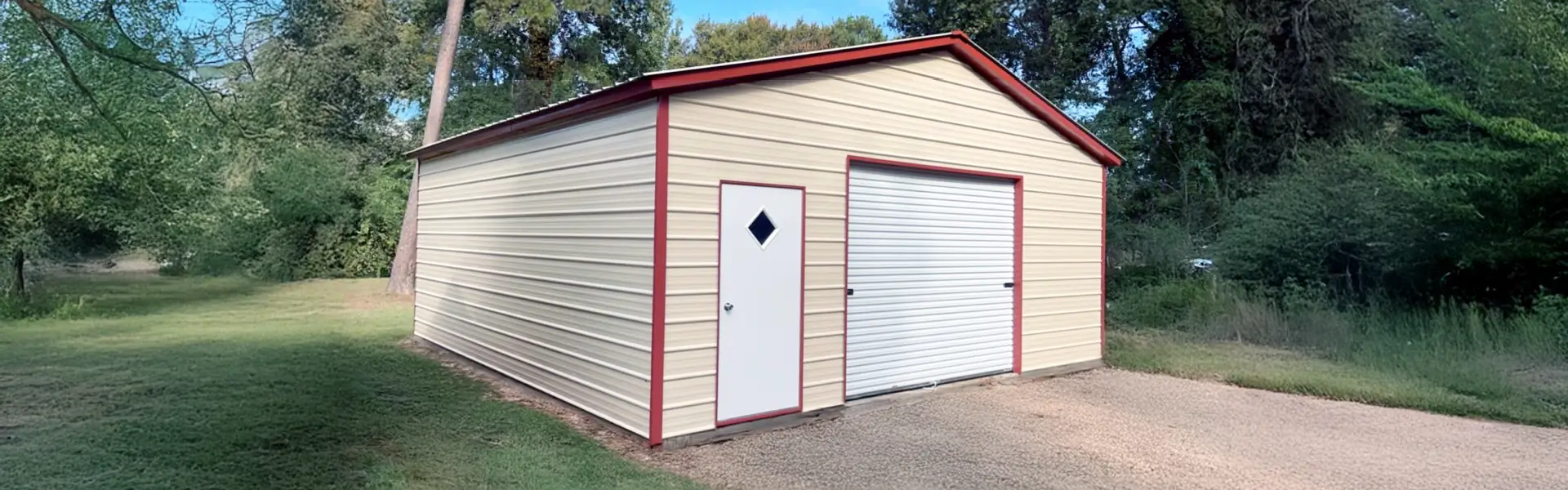
October 9, 2026
Metal Building vs. Stick-Built Garage: Cost and Durability Compared
Metal Building vs. Stick-Built Garage: Cost and Durability Compared Adding a garage is one of the most practical upgrades a…
Read Full Article
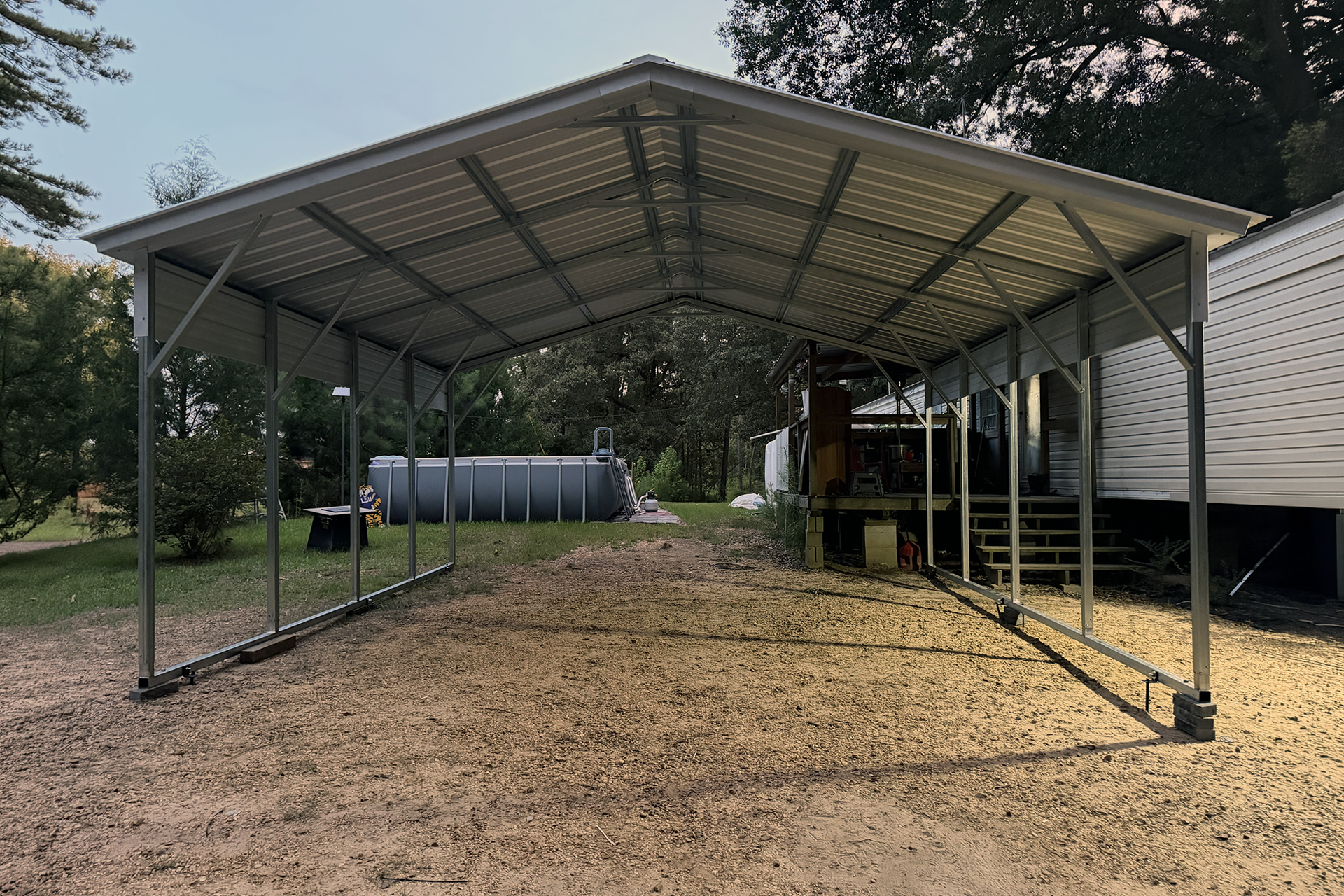
October 1, 2026
What Size Carport Do I Need?
What Size Carport Do I Need? A Sizing Guide for East Texas Trucks, Boats, and RVs Most carport regrets come…
Read Full Article
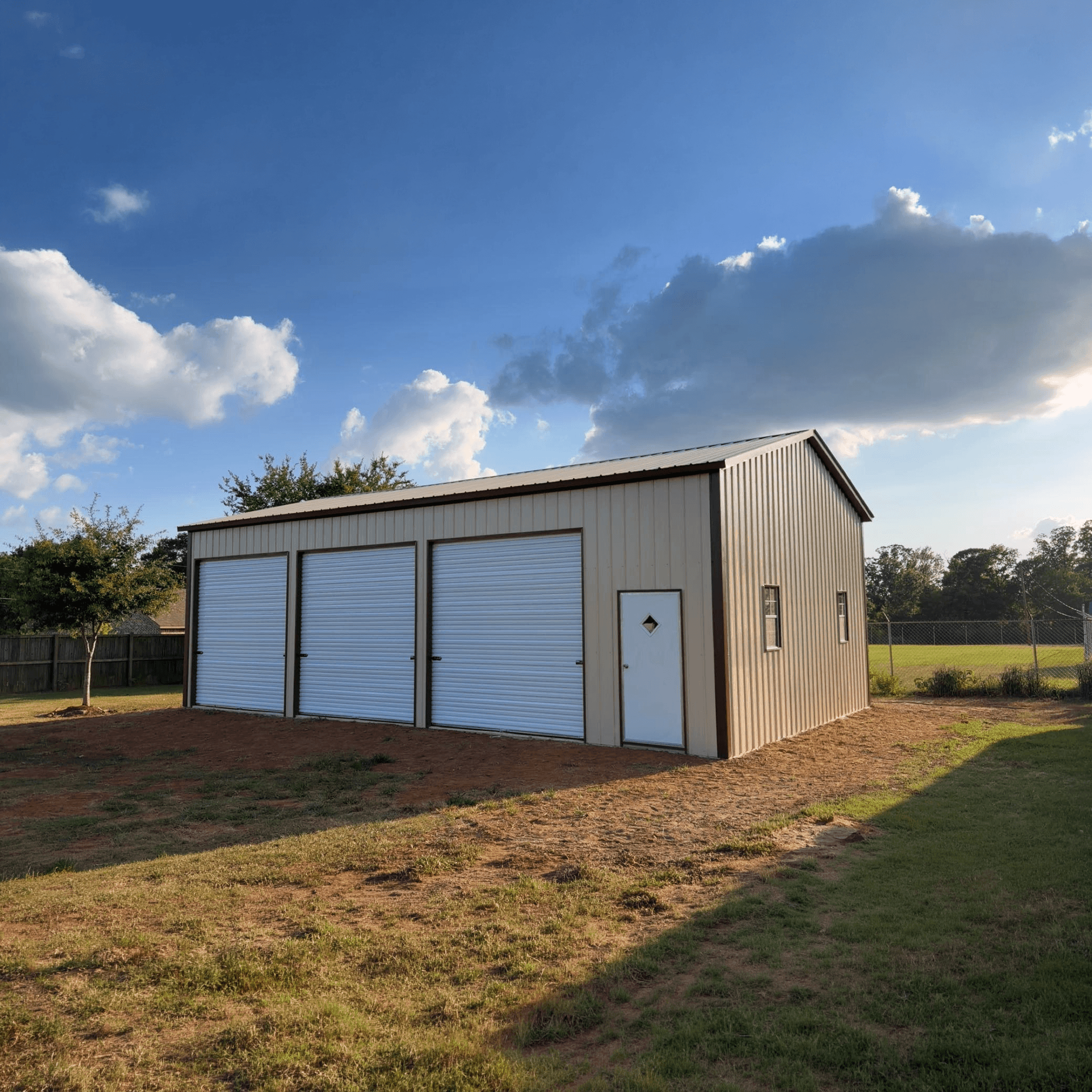
September 25, 2026
Keeping Pests Out of Your Metal Building
A steel building is one of the toughest structures you can put on your property. It won’t rot, termites can’t…
Read Full Article