Summer Savings ends in

Steel Structure Seasonal Maintenance
Published June 22, 2026
Seasonal Maintenance Checklist for Steel Structures
Owning a metal building is a long-term investment, and like any investment, it pays off best when you take care of it. Steel structures are built to handle extreme weather, but that doesn’t mean they’re maintenance-free. A few simple habits, repeated throughout the year, keep your building looking sharp and performing at its best for decades. Below is a seasonal breakdown of what to check, why it matters, and how the choices you made during construction — from steel gauge to anchor type — affect how much upkeep your building actually needs.
Why Seasonal Maintenance Matters for Metal Buildings
Steel doesn’t rot, warp, or attract termites the way wood does, so it’s easy to assume a metal building can simply be left alone. However, exposure to sun, wind, rain, and temperature swings still takes a toll over time. Small issues, like a loose anchor bolt or a scratch in the paint, rarely cause problems immediately. Left unaddressed, though, they can turn into bigger repairs down the road.
That’s why a seasonal approach works so well. Instead of waiting for a visible problem, you’re checking your building on a schedule, catching small issues early, and extending its lifespan in the process. This is especially true if your structure sits somewhere with real seasonal swings, since the freeze-thaw cycles of winter and the sudden storms of spring each create their own unique stress points. The American Galvanizers Association notes that galvanized steel resists corrosion for decades when properly maintained, and that protection starts with knowing what to look for each season.
Spring: Checking for Winter Damage
Spring is the ideal time to give your building a thorough inspection, since it follows the season most likely to have caused stress on the structure.
Inspect the Roof and Panels
Walk the perimeter of your building and look up. Winter wind and ice can loosen screws or shift panels slightly, even on a well-built structure. Check for any gaps where panels meet, and look closely at trim pieces, since these are often the first spot where a small separation becomes noticeable. If your building uses 14-gauge framing and 29-gauge panels, as many East Texas Carports structures do, this heavier-duty steel resists denting and warping far better than lighter alternatives, but it’s still worth a visual check every spring.
Check Anchors and Foundation Points
Anchoring is one of the most important, and most overlooked, parts of a metal building’s long-term stability. Whether your structure sits on concrete, gravel, or level ground, the anchors are what keep it firmly in place during high winds. Spring is a good time to verify that anchor points haven’t shifted or loosened, particularly if your area experienced hard freezes over the winter. For a deeper look at anchor types and how they’re chosen based on your foundation, this building anchors guide walks through the options in detail.
Clear Debris and Check Drainage
Fallen branches, leaves, and general debris tend to pile up around the base of a building over winter. Clearing this away accomplishes two things: it prevents moisture from sitting against the steel, and it lets you actually see the foundation line, which makes it easier to spot cracks or shifting.
Summer: Managing Heat and Sun Exposure
Summer heat is intense across Texas, Oklahoma, Louisiana, and the rest of the Gulf region, so this season calls for a slightly different kind of attention.
Inspect Paint and Coating
Sun exposure gradually breaks down paint finishes, especially on south-facing walls and roof panels. Since color and finish aren’t just cosmetic, but part of what protects the steel underneath, it’s worth checking for fading, chalking, or peeling each summer. Buildings finished with Sherwin-Williams paint and backed by a 20-year warranty hold up exceptionally well, but even the best coatings benefit from a periodic visual check. If you’re comparing coating options for a future build or an add-on structure, the color guide breaks down which finishes perform best in high-heat climates.
Ventilation and Interior Temperature
If you’re using your building as a workshop or storage space, summer is when ventilation problems become obvious fast. Check that vents, if installed, are clear of debris and functioning properly. Good airflow reduces condensation buildup, which in turn helps prevent rust from forming on the interior framing.
Watch for Storm Damage
Summer also brings severe thunderstorms and, in some years, hurricane remnants that push inland. After any major storm, walk the building and check for dented panels, loose screws, or anything that shifted during high winds. Ready.gov recommends inspecting outdoor structures after severe weather events as part of a broader home safety routine, and metal buildings are no exception.
Fall: Preparing for Cold Weather Ahead
Fall is arguably the most important season for maintenance, since it’s your last real opportunity to prepare before temperatures drop.
Tighten Loose Hardware
Screws and fasteners naturally loosen slightly over time due to thermal expansion and contraction. Before winter arrives, walk the building and tighten anything that feels loose. This is a quick task, but it makes a real difference in how well the structure holds up once freezing temperatures set in.
Inspect Seals and Weatherproofing
Check door seals, window seals, and any gaps around vents or openings. Small gaps that seem harmless in October can let in enough cold air to cause real problems in January, particularly if you’re storing equipment or vehicles that shouldn’t freeze. Cold weather affects steel differently than wood, since metal contracts more noticeably as temperatures fall, which is exactly why understanding how metal buildings perform in cold weather is worth reading before the first freeze hits.
Clear Gutters and Drainage Paths
If your building has gutters or downspouts, fall leaf drop makes this the obvious time to clear them. Blocked drainage during winter can lead to ice buildup, which adds unnecessary weight and stress to the roof structure.
Winter: Protecting Against Freeze and Ice
Winter maintenance is less about hands-on repair and more about monitoring, since extreme cold and ice make it harder to safely climb or inspect a structure.
Monitor for Ice Buildup
Heavy ice accumulation adds significant weight to a roof, so keep an eye on your building after any ice storm. If you notice unusual sagging or stress points, it’s worth having a professional take a look before the ice fully melts and reveals whether any damage occurred.
Avoid Unnecessary Roof Work
Climbing onto a metal roof during icy conditions is dangerous, and it’s simply not worth the risk for a minor issue that can wait until temperatures rise. If a repair genuinely can’t wait, follow proper ladder safety procedures, since falls remain one of the most common causes of injury during winter maintenance work. OSHA’s portable ladder safety guidelines outline the basics, including checking a ladder’s weight rating and inspecting it before every use.
Review Warranty Coverage
Winter is also a good time to pull out your paperwork and review what’s actually covered under your building’s warranty. Knowing what’s included, and what maintenance is expected on your end, helps you avoid surprises if a repair is ever needed.
Building Maintenance Into Your Routine
None of these tasks take much time individually, but together they add up to a building that stays structurally sound and visually sharp for years longer than one that’s ignored until something breaks. The steel itself is built to last, especially with heavier gauge framing and quality coatings, but a little seasonal attention is what actually gets you there.
If you’re not sure where your building stands, or you’re planning a new structure and want it built with long-term maintenance in mind from the start, requesting a free quote is a simple way to talk through your options with someone who understands how these buildings perform across different climates and seasons.
RECENT ARTICLES
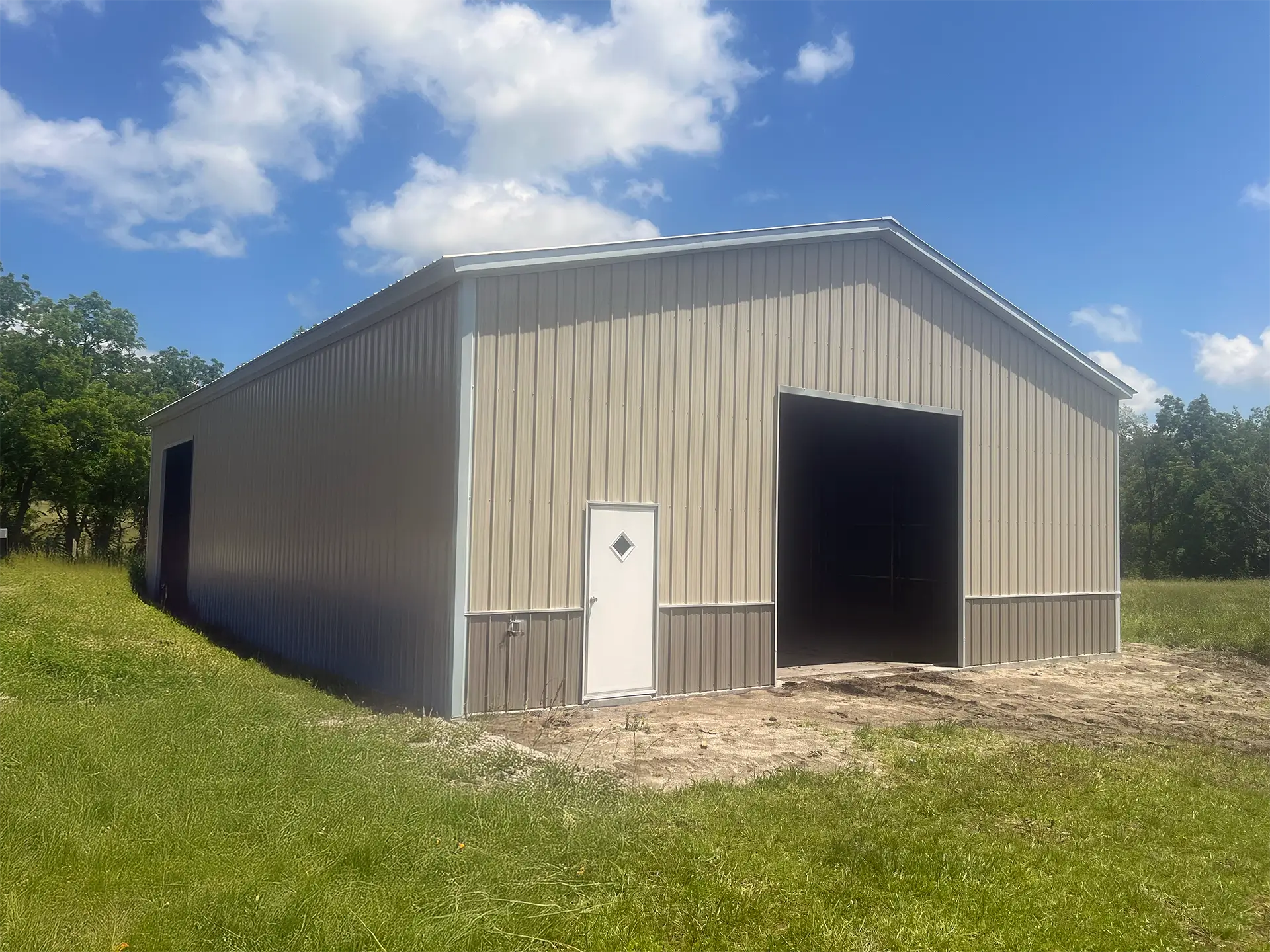
September 18, 2026
Does a Metal Carport Lower Homeowners Insurance?
Most homeowners think about a carport or garage in terms of what it protects. Your truck. Your boat. Your lawn…
Read Full Article
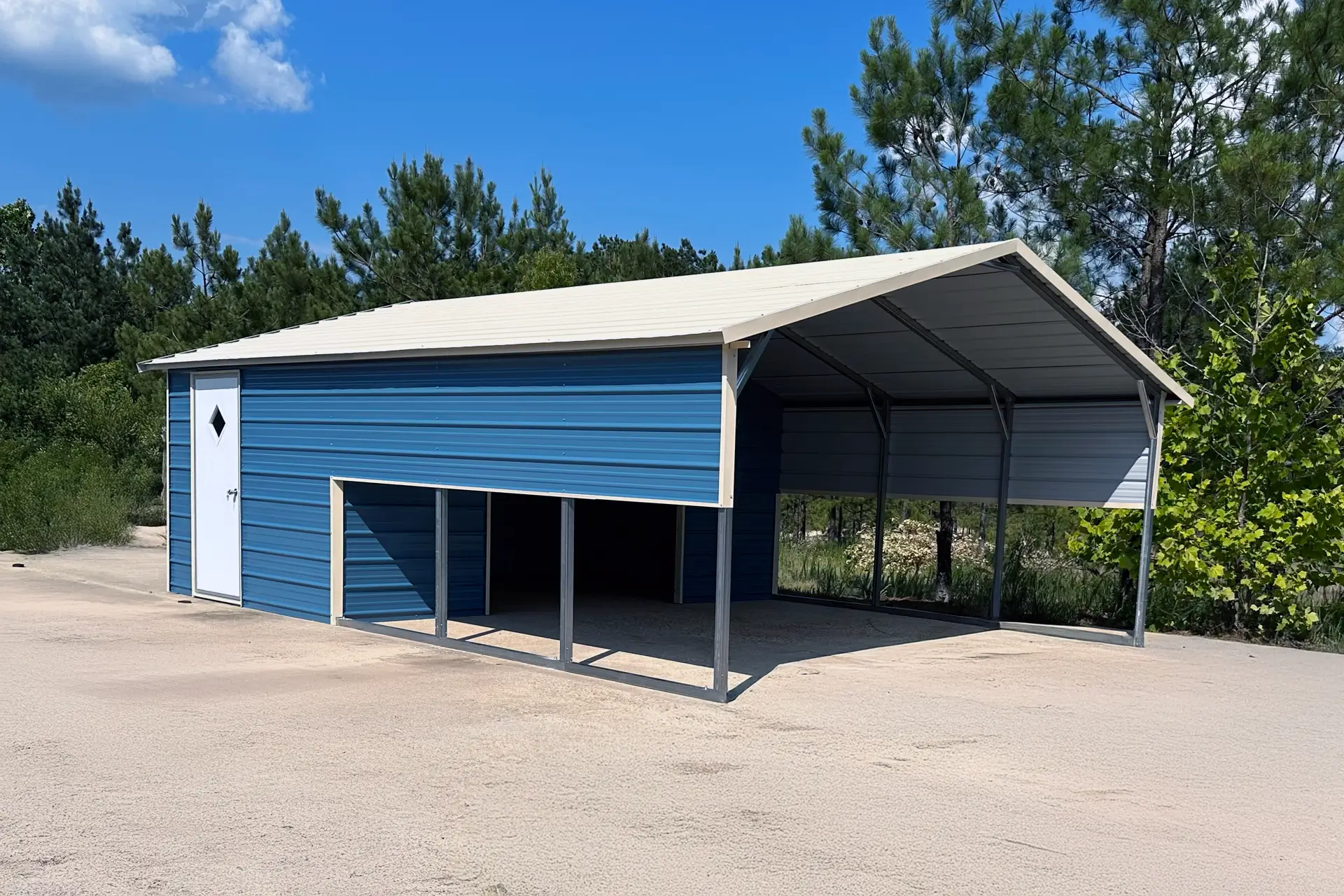
September 11, 2026
Benefits of East Texas Carports for Homeowners
East Texas homeowners need covered parking and storage that can handle heat, humidity, heavy rain, hail, and sudden storms without…
Read Full Article
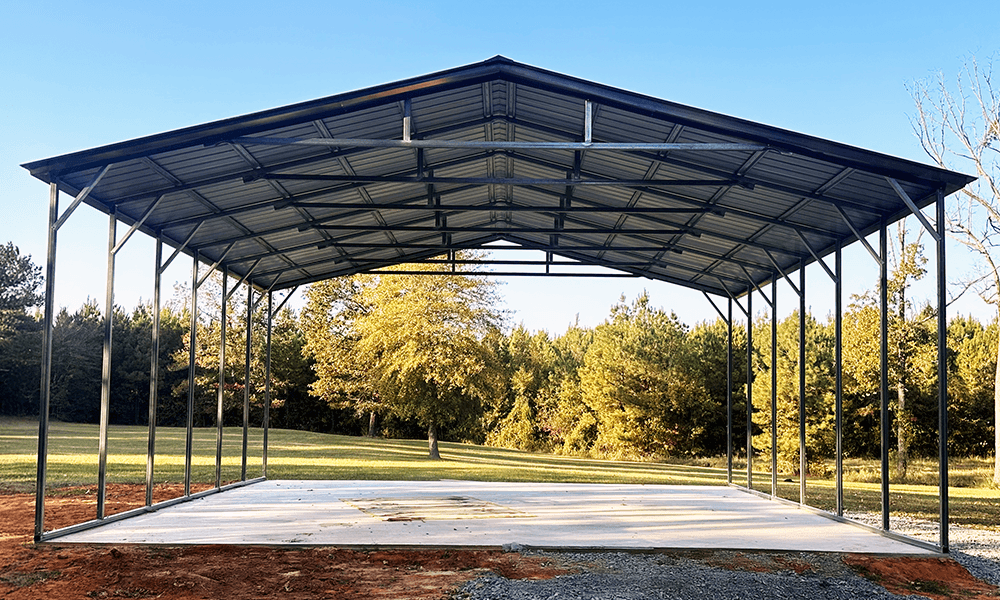
September 4, 2026
Cleaning and Caring for Your Carport’s Exterior
Your carport’s exterior takes on more punishment than almost any other part of your property. Sun, rain, pollen, and road…
Read Full Article
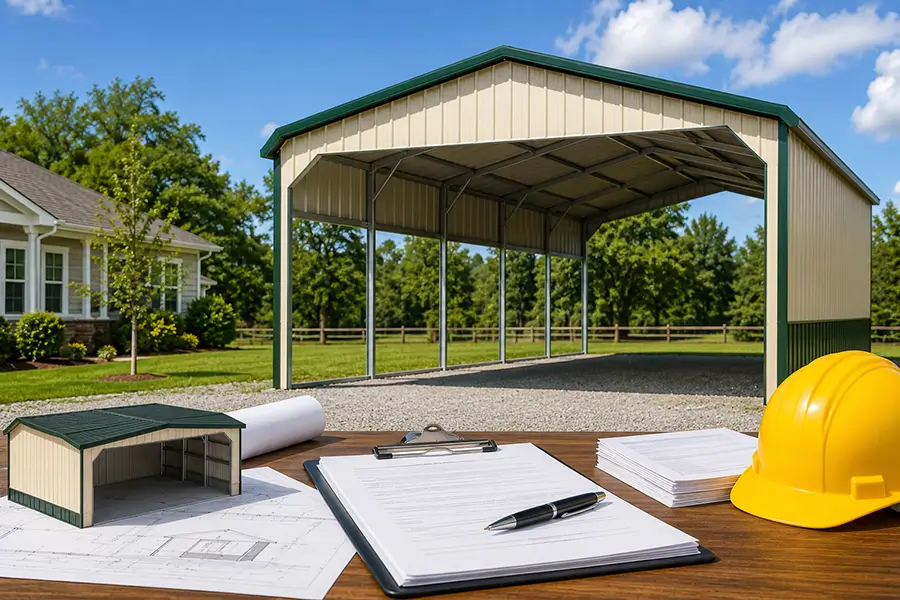
August 24, 2026
Metal Carport Permits Made Easy: Homeowner’s Guide
Metal Carport Permits Made Easy: Homeowner’s Guide Adding a metal carport is one of the fastest ways to protect vehicles,…
Read Full Article