Customer Service
(903) 234-8922

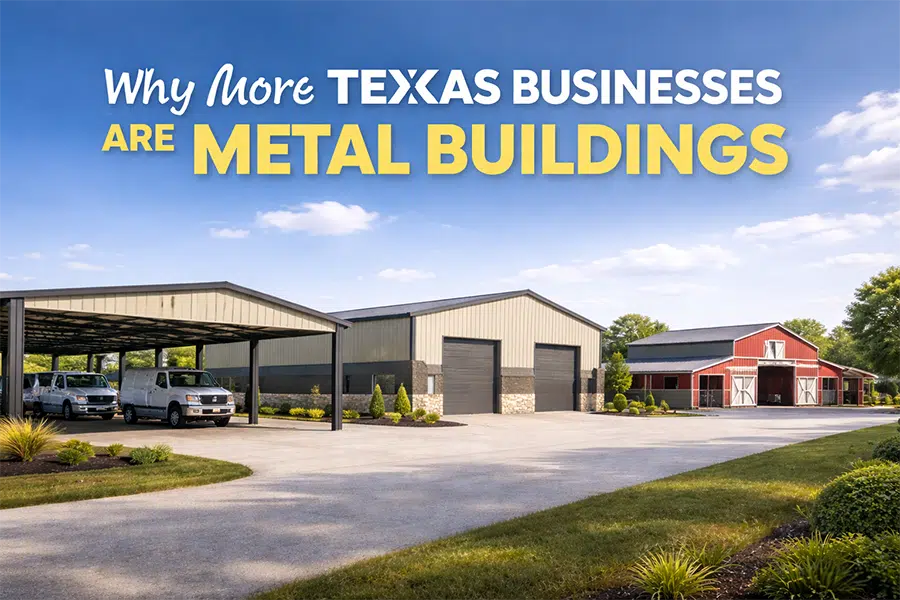
Why More Texas Businesses Are Switching to Metal Buildings
Choosing a metal building is a long-term decision that affects protection, utility, and resale value. Whether you plan a residential workshop, an agricultural barn, a commercial storage unit, or an RV shelter, careful planning and intentional design reduce upfront cost and future maintenance. This guide walks through the most important considerations—site selection, structure, materials, permits, anchoring, and ongoing care—so your metal building performs reliably for decades.
Begin with a clear purpose and realistic budget
Start by defining how you will use the building: vehicle storage, a year-round workshop, retail space, or livestock shelter. Each use drives choices about clear-span widths, headroom, insulation, doors, and electrical loads. Establish a budget that includes site preparation, foundation work, delivery, installation, and utilities rather than focusing only on the shell. If partners share cost or responsibilities, a practical project checklist and communication plan helps avoid disputes and keeps expectations aligned across owners and contractors.
Select the right footprint and orientation
Think beyond square footage: consider vehicle turning radius, delivery access, and how sun and wind exposure affect comfort and durability. Orienting large openings away from prevailing winds reduces dust and rain infiltration, while strategic siting can limit afternoon glare in a workshop bay. If your lot sits near waterways or in a mapped floodplain, consult the interactive flood map tools from the federal flood map service to determine required elevation and insurance implications.
Know the structural codes and safety requirements
Metal buildings must meet local building codes for wind, snow, and seismic loads; model codes set minimum standards but local amendments matter. Use published code guidance to understand load paths, engineered drawings, and the documentation inspectors expect when you apply for permits. For complicated or high-clearance buildings, specifying designs that follow model code standards reduces the chance of a costly redesign during plan review.
Choose the right materials and gauges
Gauge, galvanizing, and paint systems determine long-term corrosion resistance and dent performance. Heavier panel gauges and premium zinc coatings resist hail and wind-driven debris better, while modern paint systems maintain color and UV resistance in hot climates. For frame and connection design, rely on industry steel design references and published design guides to size members and specify fasteners; structural design manuals clarify when thicker members or additional bracing are required to meet design loads.
Foundations and anchoring: don’t cut corners
Anchoring is the primary defense against wind uplift and shifting soils. Slab-on-grade foundations provide a stable floor and simplify utility runs, while pier or strap anchors can be suitable for lighter structures on compacted fill. Your installer should provide anchor plans that align with manufacturer recommendations and local codes; when soils are uncertain, a geotechnical report supports correct footing depths and anchor sizing. Regional weather patterns and wind speed maps should guide anchor selection to make sure uplift resistance matches local exposure.
Permits, inspections, and documentation
Every municipality enforces a permit process with inspection milestones. Prepare a complete permit packet with engineered drawings, site plan, and anchor details; keeping these documents organized avoids inspection delays. If a permit is questioned or requires an appeal, treat the building file like evidence: organized exhibits, dated correspondence, and stamped drawings shorten resolution times. East Texas Carports publishes practical product descriptions and buyer guidance that can help you collect the right model and specification documents for plan reviewers. Metal carport planning resources are useful when assembling permit-ready documentation.
Energy, insulation, and interior comfort
Decide early whether the space will remain unheated storage or a conditioned workspace; the decision determines insulation, ventilation, and HVAC sizing. Choose insulation systems—spray foam, batt, or reflective systems—based on moisture control, R-value needs, and budget. Proper vapor barriers, ridge vents, and intake ventilation reduce condensation that causes corrosion and indoor humidity problems. When planning electrical and HVAC runs, factor in conduit routing, panel locations, and service access so contractor bids are apples-to-apples. For help understanding component choices, review manufacturing guidance on building components and galvanized construction manuals that explain common details encountered during retrofit or upgrade work. Understanding building components and the galvanized construction manual both cover practical installation and moisture-control topics.
Doors, windows, and add-ons
Door selection affects day-to-day usability: a larger roll-up door reduces future retrofit costs, while insulated personnel doors improve thermal performance and security. Add-ons such as porches, lean-tos, and mezzanines increase usable space but should be included in the initial permit drawings to avoid costly rework. If you expect to add mezzanines or interior offices, coordinate structural loads up front so floor connections and anchor patterns account for additional weight. Product pages for common building types illustrate how add-ons are integrated into initial designs; for example, step-down barns and multi-bay workshops show common configurations and accessory placements. Step-down barn configurations and a split three-bay workshop example highlight accessory planning considerations.
Roofing choices and longevity
Roofing style, panel profile, and fastening systems determine how your roof handles wind, rain, and thermal movement. Low-slope metal roofs require different underlayments and flashing details than steep-slope systems; correct flashing, closure strips, and through-fastener details prevent water intrusion and reduce noise. Follow industry roofing manuals for panel selection, attachment spacing, and transition details to minimize callbacks and extend service life.
Installer selection and bid review
Obtain multiple bids and verify references, installation photos, insurance, and manufacturer certification. A transparent bid that separates materials, labor, foundations, electrical, and optional finishes reduces the risk of mid-project surprises. Confirm the installer’s experience with local soils and weather exposure—teams familiar with your region install anchors and flashing in ways proven to survive local storms. Model project pages show typical installations and detail options for three-car carports and two-car garages with lean-tos that help you compare scope between bids. A three-car carport example and a two-car garage with lean-to reveal common scope items to confirm in proposals.
Warranty, maintenance, and lifecycle planning
Review manufacturer warranties for frame, panels, and fasteners and understand what regular maintenance is required: clear gutters, inspect fasteners, touch up scratched finishes, and replace worn sealants. A maintenance checklist—performed semiannually—extends life and protects resale value. For business owners who can’t tolerate downtime, keep an emergency repair vendor list and document maintenance history; a well-documented file with photos and receipts preserves warranty rights and simplifies insurance claims.
Financing and return on investment
Financing options include equipment loans, construction loans, or rent-to-own programs depending on your state and tax situation. Compare interest rates, term lengths, and tax treatment—steel buildings are often eligible for favorable depreciation schedules that affect long-term cost. When multiple owners or stakeholders are involved, use clear written agreements to protect each party’s investment and outline responsibility for insurance, taxes, and maintenance. If you want real-world comparisons of total cost of ownership, East Texas Carports’ article on why businesses are choosing metal buildings provides practical cost and lifecycle perspectives that apply across residential and commercial projects.
Final inspection and practical handover
Before final payment, walk the site with the installer and inspector to confirm anchoring, flashing, and sealants match the contract. Compile a punch list for corrections, obtain required certificates of compliance or occupancy, and collect as-built drawings, photos, and maintenance instructions. A complete handover file is invaluable for resale, insurance, and long-term stewardship; keep it in both digital and printed form so critical documents survive personnel changes and ownership transfers.
Conclusion: prioritize durability and documentation
A successful metal building project balances cost, performance, and future flexibility. Prioritize structural quality, proper anchoring, and clarity in contracts and permits; use model-code guidance and industry manuals to specify materials and details that withstand local exposure. Maintain documentation throughout the project and schedule routine maintenance to protect the investment. With deliberate planning and well-organized records, your metal building will deliver decades of reliable service and strong value for your property.