Customer Service
(903) 234-8922

How to Choose the Right Metal Building for Your Property
Previous: Your Complete FAQ Guide
Next: RV Carports: Why Metal Barns Are Replacing Wooden Barns Across Texas
Selecting the right metal building for your property is a significant investment that requires careful consideration of multiple factors. From protecting vehicles and equipment to creating functional workspace, the perfect metal structure combines durability, functionality, and value. This guide walks you through essential aspects of choosing a metal building that meets your specific needs and stands the test of time.
Understanding Your Building Purpose and Requirements
Before exploring design options and customization features, clearly define how you’ll use your metal building. Different applications require specific considerations for size, layout, and features. A carport primarily needs overhead protection for vehicles, while a workshop demands enclosed walls, proper ventilation, and electrical access.
Consider both current needs and future growth. If you’re purchasing a garage for two vehicles today but plan to add a third car within a few years, investing in extra space now saves the expense of replacement later. Think about daily functionality including walk-in doors for frequent access, windows for natural light, and roll-up doors for moving large equipment.
Choosing the Right Building Type
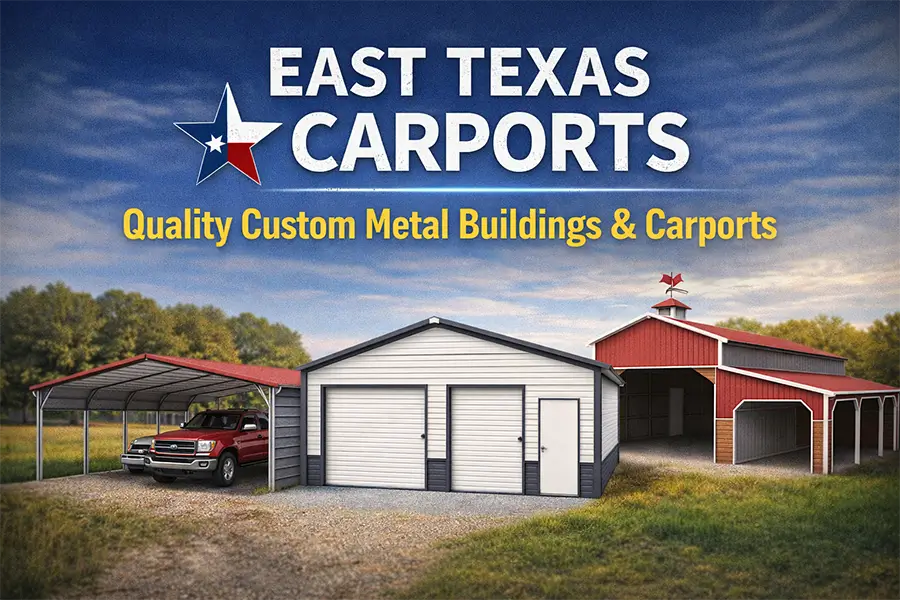
Metal buildings come in several primary categories, each engineered for specific applications. Carports offer open-sided protection perfect for vehicles, RVs, boats, and equipment, providing excellent weather protection while maintaining easy access. Garages feature fully enclosed walls with doors and windows, delivering complete protection from weather, theft, and environmental damage.
Workshops combine enclosed protection with specialized features for hands-on work, including multiple entry points and proper ventilation. Understanding metal building components helps you appreciate the engineering that goes into creating durable workshop spaces.
Barns deliver spacious interiors designed for agricultural equipment, livestock shelter, and hay storage with higher clearances and wider door openings. According to the American Institute of Steel Construction, steel buildings have become increasingly popular for agricultural applications due to their strength-to-weight ratio and resistance to pests and rot.
Commercial buildings provide large-scale solutions for business operations, warehousing, and industrial applications with maximum flexibility in design to accommodate specific business requirements.
Sizing Your Metal Building Correctly
Proper sizing ensures your building serves its purpose without wasted space or costly future additions. Start by measuring the items you’ll store or vehicles you’ll protect, allowing additional clearance around all sides for comfortable movement. Most experts recommend adding at least two feet of clearance on all sides of vehicles.
Height considerations often get overlooked but prove critical for functionality. Standard carports typically range from 8 to 12 feet in height, while RV covers and commercial buildings may require 14 feet or more. Metal carports can be customized to accommodate various height requirements based on what you’re protecting.
Width measurements should account for how many vehicles you’ll park side by side plus comfortable walking space. A single-car garage typically starts at 12 feet wide, while two-car garages usually measure 20 to 24 feet. Length requirements depend on vehicle sizes, workspace needs, and storage demands, with standard pickup trucks requiring about 20 feet.
Selecting the Optimal Roof Style
Roof design significantly impacts both functionality and appearance. Regular roof styles feature horizontal panels offering economical protection suitable for areas with light to moderate weather. A-frame or vertical roof styles position panels vertically from peak to eave, allowing rain, snow, and debris to slide off efficiently. This design delivers superior performance in areas with heavy precipitation or high winds.
The U.S. Department of Energy notes that proper roof design contributes significantly to building durability and weather resistance. Higher pitches shed water and snow more effectively but increase building height and cost. Standard pitches range from 2:12 to 7:12, with steeper pitches recommended for regions with significant snowfall.
Framing and Structural Considerations
Frame quality determines your building’s strength and longevity. Premium galvanized steel framing resists rust, corrosion, and pest damage while providing exceptional structural integrity. Wind ratings indicate the maximum wind speeds your building can withstand, with structures in coastal areas or tornado-prone regions requiring higher ratings.
Proper anchoring systems secure your building to the foundation, preventing lift and shift during storms. Snow load ratings specify how much snow weight your roof can support, which is especially important in northern climates and mountainous regions where local building codes often mandate minimum requirements.
Color Selection and Aesthetic Customization
Color choices impact functionality and longevity beyond personal preference. Lighter colors reflect sunlight, keeping interiors cooler in hot climates, while darker colors absorb heat, benefiting buildings in colder regions. Premium coil coatings from manufacturers like Sherwin-Williams provide superior fade resistance and corrosion protection with 20-year limited warranties.
The Sherwin-Williams coil coatings page explains the technology behind durable metal building finishes. Matching trim, wainscoting, and roofing colors creates a cohesive, professional appearance that enhances property value, while color-matched screws complete the professional look.
Door and Window Placement
Entry points significantly affect daily functionality. Roll-up doors provide excellent access for vehicles and large equipment, available in sizes ranging from 6×6 feet to 18×16 feet. Walk-in doors offer convenient pedestrian access, with standard 36×80-inch doors coming in various styles including solid, windowed, and decorative options.
Window placement enhances natural lighting and reduces electricity costs. Common sizes include 24×36 inches and 30×36 inches, featuring eight-pane glass with screens. Strategic positioning provides light where needed while maintaining privacy and security.
Understanding Anchoring Systems
Proper anchoring protects your investment by securing your building against high winds. Concrete anchors deliver the strongest fastening method, drilling into poured slabs to create permanent attachment points. Mobile home anchors drive deep into soil, providing reliable ground anchoring with certified wind ratings.
Asphalt anchors secure buildings to paved surfaces, while rebar anchors offer basic ground penetration but generally don’t meet certification requirements for wind warranties. Property owners serious about protecting their investment should consider certified anchoring options.
Exploring Financing and Payment Options
Rent-to-own programs make metal buildings accessible without large upfront costs or stringent credit requirements. RTO financing options provide flexible terms and easier qualification compared to conventional loans, allowing manageable monthly payments while using your building immediately.
Traditional financing through banks offers competitive interest rates for qualified buyers, while cash purchases eliminate interest charges and may qualify for discounts. Compare all available financing terms to find the best combination of monthly payment, total cost, and qualification requirements.
Installation and Professional Service
Professional installation ensures your building is assembled correctly and qualifies for warranty coverage. Experienced crews understand proper techniques for frame alignment, panel attachment, and anchor installation. Site preparation impacts installation success, with level ground providing the ideal foundation to prevent structural stress.
Foundation options range from compacted gravel to poured concrete slabs depending on building use, local codes, and budget. Planning utility access during construction saves money if you’ll eventually need electricity or water services.
Making Your Final Decision
Choosing the right metal building balances immediate needs, future growth, budget constraints, and quality expectations. Working with reputable manufacturers who control the entire process from design through installation ensures consistent quality and reliable service. Understanding warranty coverage protects your investment, with comprehensive warranties covering frame integrity, panel finish, and workmanship.
Take time to review your property layout, measure accurately, and consult with experienced professionals. A well-chosen metal building enhances property value, protects valuable assets, provides functional space for work or storage, and delivers decades of low-maintenance performance. By carefully considering each factor outlined in this guide, you’ll make an informed choice that meets your needs and stands strong through whatever weather comes your way.