Summer Savings ends in

Metal Carport Lifespan Explained
Published May 22, 2026
Metal Carport Lifespan Explained
A quality metal carport can stay strong for a very long time, but its lifespan is not a one-size-fits-all number. The best builds are designed with galvanized steel, the right frame thickness, proper anchoring, and a roof style that fits the climate. When those pieces come together, a carport becomes more than a covered parking spot; it becomes a long-term part of the property. Hot-dip galvanized steel is especially important because it resists corrosion through a zinc barrier, sacrificial protection, and a protective patina, and the American Galvanizers Association notes that it can provide maintenance-free longevity for decades.
That is why the details behind the structure matter so much. East Texas Carports’ metal carport guide emphasizes that steel carports are built to offer long-term protection with very little maintenance, while the company’s metal building gauge guide explains how panel and frame thickness influence performance, wind resistance, and durability. In other words, lifespan starts long before the first rainstorm ever hits the roof.
What Actually Determines Lifespan
When people ask how long a metal carport lasts, they are usually asking about several different things at once: how long the steel resists rust, how long the frame stays straight, how long the roof keeps shedding water, and how long the anchors hold the structure steady. A well-built carport can age gracefully for decades, but it does so because every part of the structure is doing its job. The environment plays a role too. The American Galvanizers Association explains that corrosion performance depends on temperature, humidity, rainfall, pollution in the air, and salinity, which is why the same building can age differently in different places.
That is also why a carport in a clean, dry area may age more slowly than one near salt air, heavy industrial exposure, or frequent moisture. The steel is only one piece of the story. Water flow, debris buildup, and how well the structure was installed can all speed up wear if they are ignored. A good carport is built for the climate it lives in, not just for the day it is delivered.
Why Materials Matter So Much
The biggest factor in long service life is usually the quality of the metal itself. Galvanized steel is popular because the coating helps protect the base metal from rust and corrosion. East Texas Carports notes that galvanized steel resists rust and performs well in changing weather conditions, which is exactly why it is such a common choice for carports in regions that deal with heat, rain, and wind. Thicker steel also helps, because stronger gauge material is more rigid and less likely to flex, dent, or sag over time.
The gauge itself matters more than most buyers realize. In the company’s gauge guide, lower numbers mean thicker steel, so a 26-gauge panel is thicker than a 29-gauge panel, and 12-gauge framing is thicker than 14-gauge framing. That matters because thicker material offers better dent resistance, better rigidity, and better long-term durability. The guide also explains that upgraded gauge choices are especially useful in high-wind areas and for wider or taller structures.
That is the practical side of lifespan: a carport is only as durable as its weakest major component. Thin panels, weak framing, or low-quality coatings can shorten the building’s life even if the design looks fine at first glance. A quality build balances cost and strength so the structure can keep performing year after year without turning into a constant repair project.
Roof Style Can Add Years to the Structure
The roof is not just a visual feature. It affects how the carport handles water, leaves, snow, and wind. East Texas Carports explains that a vertical roof is the strongest option because the panels help snow, leaves, and debris slide off more easily. That simple detail can matter a lot over time, because debris left sitting on a roof can trap moisture and raise the risk of wear. A roof that sheds buildup efficiently puts less strain on the structure and helps the carport stay cleaner and drier.
Roof style also helps determine whether the building is suited to the local climate. In areas with heavy rain or regular wind, the better roof choice can reduce maintenance and improve long-term performance. A well-matched roof is not about chasing a trend; it is about helping the building survive the conditions it will actually face. That is one of the quiet secrets of longevity: the best design is usually the one that makes weather do less work against the structure.
Installation Quality Is Part of the Lifespan
Even premium steel can underperform if the installation is sloppy. Anchoring, bolt placement, level ground, and load handling all affect how the structure ages. OSHA’s metal buildings guidance says structural columns must be anchored with at least four anchor rods, and that construction loads should not be placed on any framework unless it is safely secured. That is a reminder that a metal carport is not only about materials; it is also about how securely those materials are put together.
Good anchoring matters after installation too. A carport that is not properly secured can shift, loosen, or experience unnecessary stress during storms. Once movement starts, small problems can grow faster than people expect. Strong installation helps the building stay square, keeps fasteners working as intended, and protects the frame from avoidable strain. The long-term value of a carport often comes down to whether the structure was given a stable foundation from day one.
Maintenance Extends the Useful Life
One of the biggest advantages of a metal carport is that it does not demand much upkeep, but “low maintenance” is not the same thing as “no maintenance.” East Texas Carports recommends simple habits like rinsing dirt, dust, and salt buildup, tightening screws once a year, and trimming back bushes or branches that can trap debris or scratch surfaces. Those small tasks help reduce corrosion and keep the structure in better shape for longer.
That kind of care does not take much time, but it can make a real difference. Dirt and moisture sitting on a roof can accelerate wear. Loose fasteners can turn into rattling panels or stressed joints. Branches can scrape protective coatings and create weak spots where rust can start. Regular visual checks are a simple way to keep a strong structure from slowly turning into a neglected one.
Climate, Location, and Exposure Change the Timeline
Not all metal carports age at the same pace because not all environments are equal. A structure that sits in a dry, sheltered area may have a much easier life than one exposed to constant humidity, strong sun, blowing salt, or frequent storm debris. The corrosion behavior of galvanized steel changes with the environment around it, which is why location is such a big part of lifespan. A carport in East Texas may face a different wear pattern than one on the coast or in a heavily industrial area.
That does not mean a metal carport is fragile. It means the right build needs to be matched to the right conditions. A stronger gauge, better roof style, and quality coating give the structure a better chance to keep doing its job for a very long time. In practical terms, the better the match between the building and its environment, the longer the useful service life usually is.
For buyers who want to think about lifespan from the start, East Texas Carports’ metal carport guide is useful because it ties together roof style, material choice, wind ratings, anchoring, and maintenance in one place. That combination is the real formula for a carport that lasts: strong material, smart design, careful installation, and simple upkeep.
When a Carport Starts Reaching the End of Its Life
A quality metal carport does not usually fail all at once. Signs of aging tend to show up gradually: surface rust, loose panels, worn fasteners, faded finish, leaning posts, or roof sections that no longer shed water well. These are not always signs that the structure is finished, but they are signs that attention is needed. Catching those issues early can add years of useful life and prevent a minor fix from becoming a major replacement.
If the frame is still sound, many problems can be corrected with replacement hardware, new panels, or better anchoring. If the structure has heavy corrosion or repeated movement, replacement may make more sense. The important thing is not to wait until the building is visibly failing before taking action. A carport lasts longer when it is maintained like a working structure, not treated like a set-it-and-forget-it accessory.
The Bottom Line
A well-built metal carport can last for decades because it is designed to resist the things that usually wear buildings down: rust, moisture, wind, and time. Galvanized steel, thicker gauge materials, a smart roof style, secure anchoring, and simple maintenance all work together to stretch the structure’s lifespan. When those pieces are chosen carefully, a metal carport becomes a durable part of the property instead of a short-term fix.
That is why quality matters so much at every stage. The right materials make a stronger starting point, the right installation protects the structure from stress, and routine upkeep keeps small problems from growing. For homeowners and business owners who want dependable coverage with long-term value, a quality metal carport is one of the most practical investments a property can have.
RECENT ARTICLES
September 18, 2026
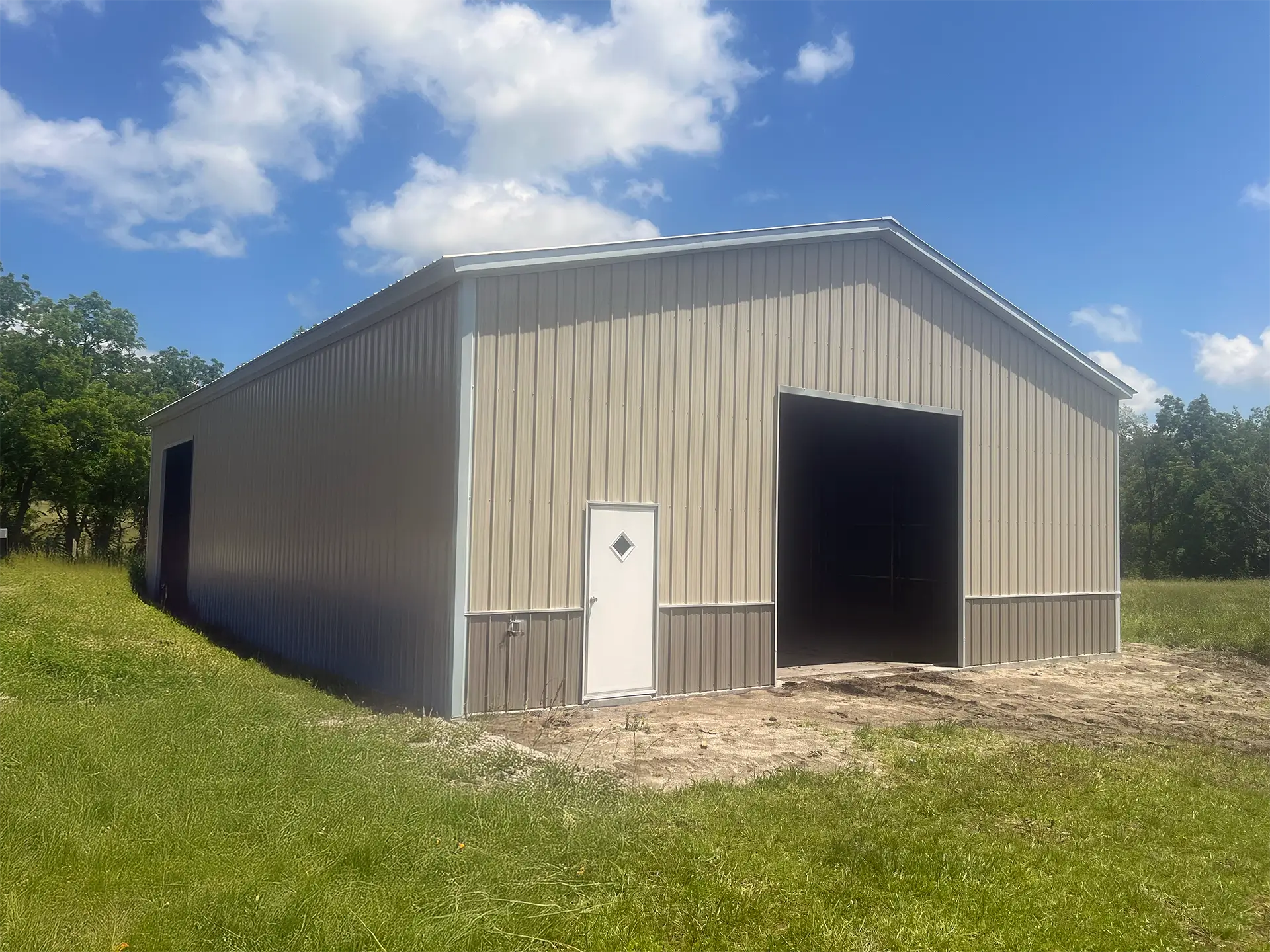
Does a Metal Carport Lower Homeowners Insurance?
Most homeowners think about a carport or garage in terms of what it protects. Your truck. Your boat. Your lawn…
Read Full Article
September 11, 2026
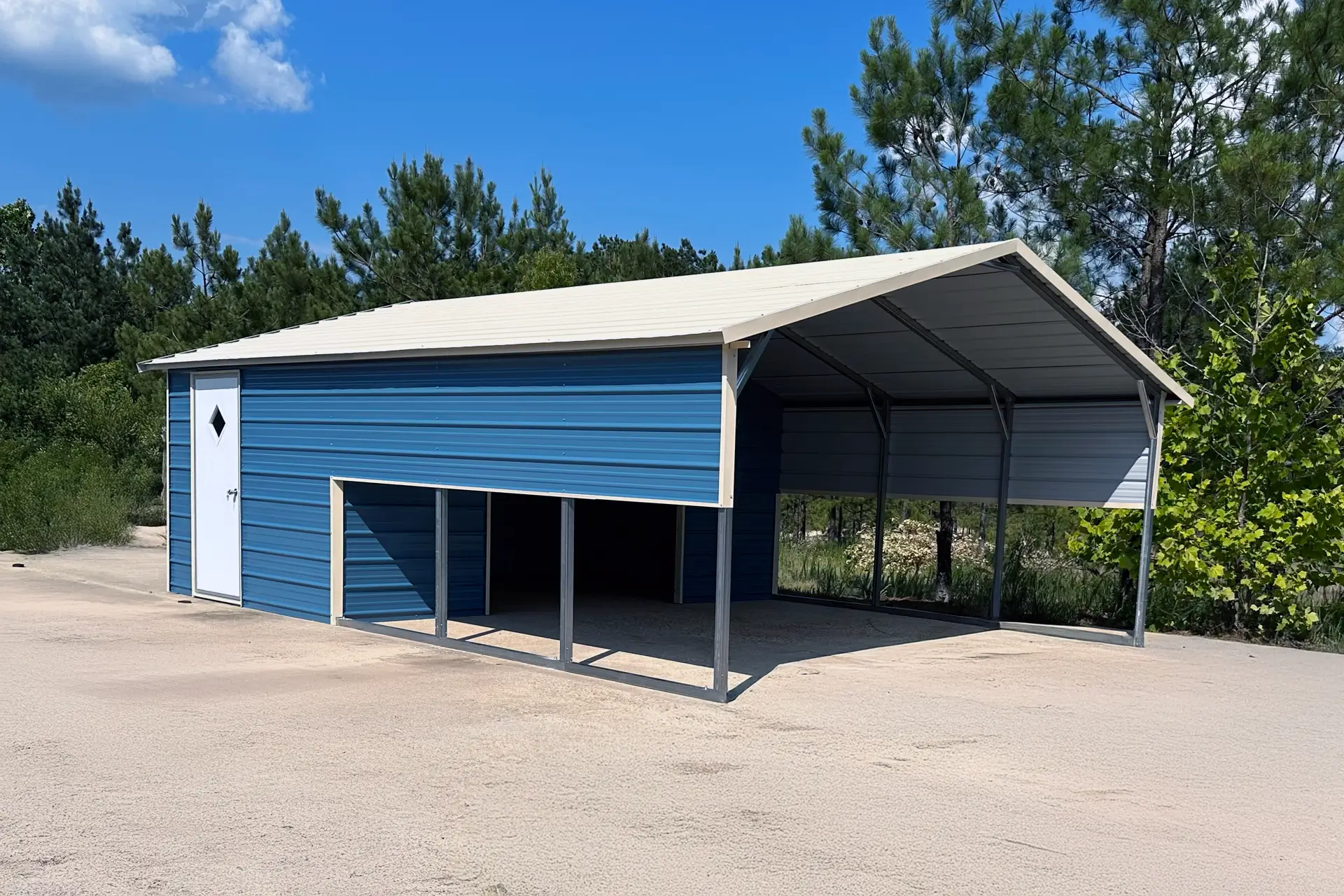
Benefits of East Texas Carports for Homeowners
East Texas homeowners need covered parking and storage that can handle heat, humidity, heavy rain, hail, and sudden storms without…
Read Full Article
September 4, 2026
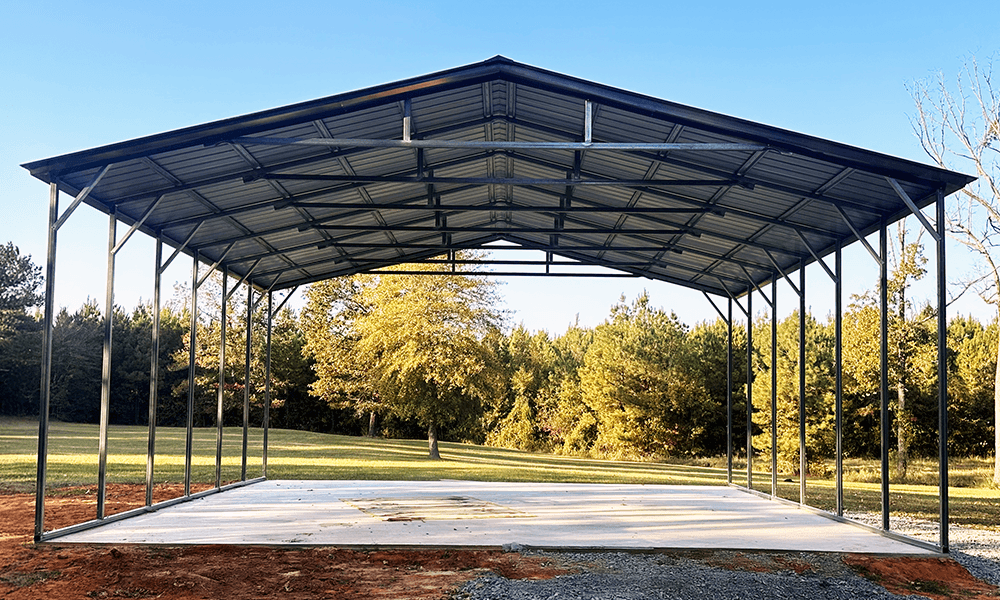
Cleaning and Caring for Your Carport’s Exterior
Your carport’s exterior takes on more punishment than almost any other part of your property. Sun, rain, pollen, and road…
Read Full Article
August 24, 2026
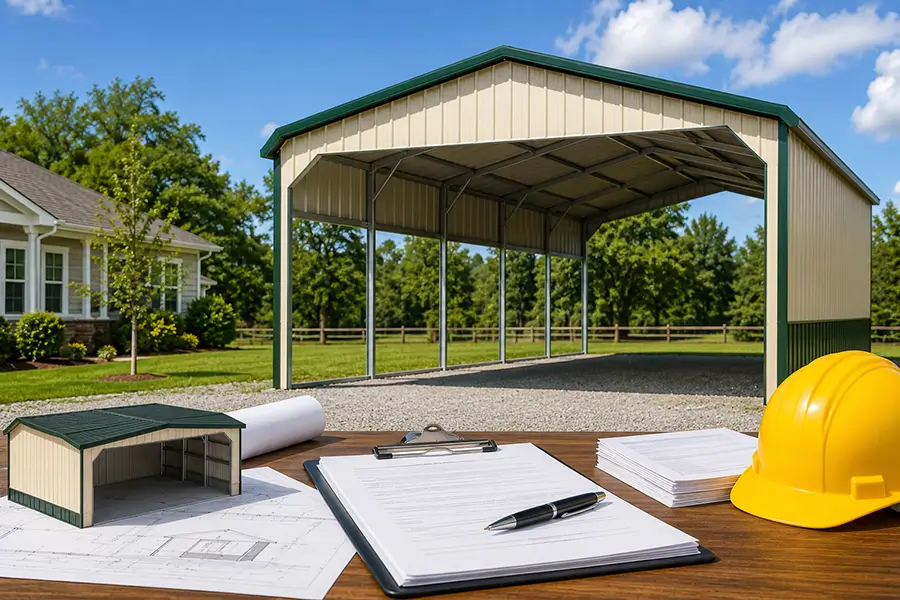
Metal Carport Permits Made Easy: Homeowner’s Guide
Metal Carport Permits Made Easy: Homeowner’s Guide Adding a metal carport is one of the fastest ways to protect vehicles,…
Read Full Article