Summer Savings ends in

The Role of Trim, Color, and Finish in Building Design
Published April 23, 2026
The Role of Trim, Color, and Finish in Building Design
Trim, color, and finish may seem like small details, but they shape the entire look and feel of a building. They also influence how well a structure blends with its surroundings, how much maintenance it may need, and how polished the final result appears. In building design, these choices bring together function and style in a way that can elevate even a simple structure.
For metal buildings, these design elements matter even more because the exterior is so visible and so practical at the same time. A well-chosen trim profile can make edges look clean and intentional. The right color can help a building feel bold, classic, or subtle. A durable finish can support long-term performance while protecting the surface from weather and daily wear.
That is why these details deserve careful attention early in the planning process. Once the building is in place, trim, color, and finish become part of the structure’s identity. When they work together, they help create a building that looks professional, feels balanced, and performs well for years.
Why These Details Matter in Building Design
Good building design is about more than size, roof style, and layout. It also depends on the visual details that shape first impressions. Trim frames the structure. Color ties the building to its site or brand. Finish adds depth, durability, and consistency.
These details also affect how a building is perceived from a distance and up close. A structure with coordinated trim and finish looks intentional. One with mismatched tones or unfinished edges can feel incomplete, even if the construction itself is strong. In other words, design details help communicate quality before anyone even steps inside.
For owners, this matters because a building often needs to serve both practical and visual goals. A workshop may need to look professional. A carport may need to complement a home. A commercial building may need to support a brand image. Trim, color, and finish help accomplish all of those goals without changing the core function of the structure.
The Function of Trim in a Finished Structure
Trim does more than add decoration. It helps define edges, cover seams, and create a clean transition between panels and openings. Around corners, doors, windows, and roof lines, trim gives the building a more refined appearance while helping those areas look complete.
It also plays a practical role in protecting exposed edges. When trim is properly placed, it helps reduce visual gaps and supports a neater exterior finish. That makes the structure appear more cohesive and can help the building feel more intentional from every angle.
This is one reason trim is so closely tied to overall building design. A structure may be strong in its frame and panels, but trim is often what makes the exterior look finished. As East Texas Carports explains in its Understanding Building Components article, the smaller parts of a metal building often have a larger visual impact than people expect.
Trim also helps guide the eye. When the color of the trim contrasts with the roof or wall panels, it can highlight the structure’s shape. When it matches closely, it can create a smoother and more unified appearance. Either approach can work well, depending on the style the owner wants to achieve.
How Color Shapes the Character of a Building
Color is one of the fastest ways to define a building’s personality. Dark tones can feel bold and grounded. Light shades can feel clean and timeless. Earthy colors can blend naturally into rural or wooded settings, while stronger accent colors can help a structure stand out.
Color also has a real relationship with the surrounding environment. A building that sits near a home, shop, or commercial property should feel connected to the setting around it. That does not always mean matching everything exactly. It means choosing a palette that feels deliberate and balanced.
For metal buildings, color choices often include walls, roof panels, trim, and accent details. Each part contributes to the final effect. A roof color that complements the walls can create a unified look. Trim can either blend in or define the edges more sharply. The result depends on whether the goal is subtle coordination or stronger contrast.
East Texas Carports offers practical guidance on these choices in its Color Guide, which shows how different building colors can be paired for a clean and attractive finish. That kind of planning matters because color is not just decoration. It is a major part of the structure’s long-term visual identity.
Color can also influence how a building feels in hot, sunny conditions. The U.S. Department of Energy explains that cool roof choices can reduce heat gain when reflective or lighter finishes are used on roof surfaces, especially in warm climates. Their guidance on cool roofs is a useful reminder that color and performance often work together.
The Role of Finish in Durability and Appearance
Finish is the surface treatment that helps protect the building and gives it a polished final look. It affects gloss, texture, and how the material responds to sunlight, moisture, and daily exposure. A strong finish can help keep a building looking newer for longer while also supporting its overall durability.
In metal building design, finish is especially important because the exterior panels are exposed to changing weather conditions. Rain, wind, sunlight, and temperature swings all affect the surface over time. A quality finish helps preserve the color, reduce fading, and maintain a consistent appearance across the structure.
Finish also changes the mood of the design. A matte surface may feel understated and modern. A slightly glossier finish can create a brighter, sharper look. Some owners prefer a traditional appearance, while others want something sleek and contemporary. The finish helps define that style choice.
The Environmental Protection Agency notes that roof reflectance and thermal emittance are key factors in how a surface handles solar heat, especially in warm climates. Its cool roof guidance shows how finish and surface properties can influence comfort and energy performance. That makes finish an important part of both design and function.
How Trim, Color, and Finish Work Together
The strongest building designs rarely rely on one detail alone. They succeed because every part supports the others. Trim outlines the building. Color sets the tone. Finish ties everything together by giving the structure a consistent surface quality.
When these elements are coordinated well, the building feels complete. For example, a light wall color with darker trim can create a crisp, classic look. A deeper wall tone with matching roof and trim can feel bold and unified. A smooth finish can soften the look, while a more pronounced surface can add texture and depth.
This balance matters in both residential and commercial settings. A home-based workshop may need to blend with a property’s existing style. A business building may need to project trust and professionalism. A barn or carport may need to fit into a broader landscape without feeling out of place. The right combination makes that possible.
That is why design decisions should be made as a set, not one detail at a time. When owners think about trim, color, and finish together, they can create a building that feels intentional from the start. The result is stronger visual harmony and a more satisfying final design.
Choosing the Right Look for Your Property
There is no single right answer for every building. The best design depends on the property, the intended use, and the look the owner wants to achieve. A building in a rural setting may call for natural tones and simple trim. A building near a home may need softer colors that blend with the existing architecture. A commercial building may benefit from a more distinctive palette that reinforces branding.
It also helps to think about the building’s surroundings in practical terms. What colors are already present nearby? Will the structure sit in open sun all day? Does the owner want the building to stand out or blend in? These questions can guide the selection process and narrow the choices in a useful way.
Owners should also think about how the building may age visually. Some colors hold their appeal by staying neutral and versatile. Others create a stronger style statement but may feel more specific to a trend. A durable finish can help any color hold up better over time, which makes the initial choice more valuable in the long run.
In many cases, the best approach is to keep the design simple and coordinated. Clean trim lines, balanced color pairings, and a dependable finish often create a look that stays attractive for years. That is especially true for metal buildings, where the exterior design is part of the building’s lasting identity.
Design Details That Add Long-Term Value
Trim, color, and finish do more than improve appearance. They also contribute to how well a building holds value over time. A structure that looks cared for is often easier to appreciate, easier to maintain, and more likely to remain visually relevant as years pass.
These details can also support the way a building is used. A workshop with a professional exterior can feel more complete. A garage with coordinated trim and finish can look like part of the property instead of an afterthought. A commercial building with a well-planned exterior can strengthen a brand’s presence before customers ever walk through the door.
Because of that, these choices should never be treated as minor finishing touches. They are part of the design foundation. They influence both the first impression and the long-term experience of the structure. When chosen carefully, they help a building look better, feel more complete, and serve its purpose with style.
Final Thoughts
Trim, color, and finish may seem like finishing details, but they are central to building design. They help define the shape, support the style, and influence how the structure performs visually over time. Together, they turn a functional building into a polished one.
For metal buildings in particular, these decisions deserve careful thought because they affect both appearance and durability. A well-planned combination can create a structure that fits the property, reflects the owner’s goals, and holds its appeal for years. In the end, strong design is often found in the details that tie everything together.
RECENT ARTICLES
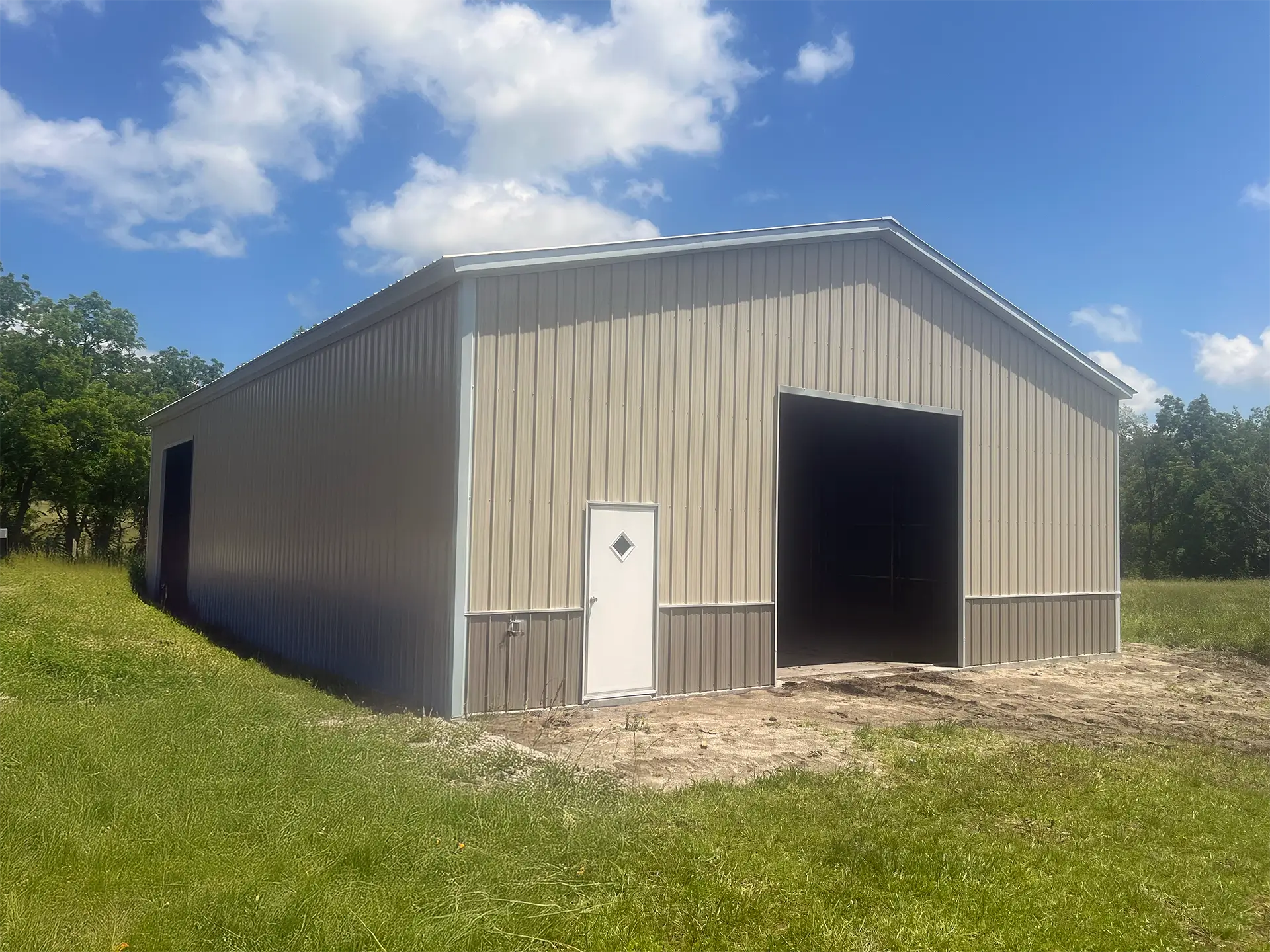
September 18, 2026
Does a Metal Carport Lower Homeowners Insurance?
Most homeowners think about a carport or garage in terms of what it protects. Your truck. Your boat. Your lawn…
Read Full Article
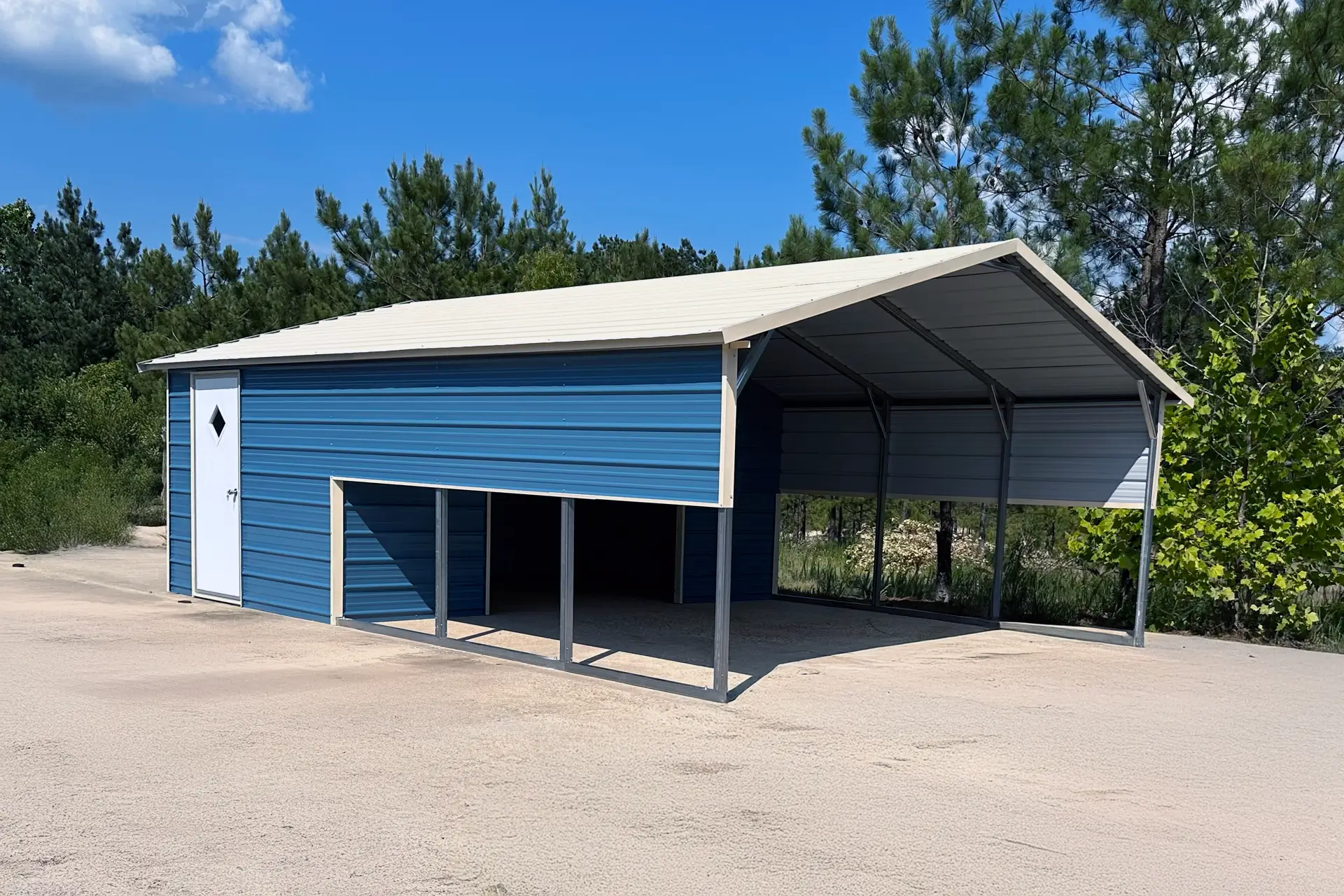
September 11, 2026
Benefits of East Texas Carports for Homeowners
East Texas homeowners need covered parking and storage that can handle heat, humidity, heavy rain, hail, and sudden storms without…
Read Full Article
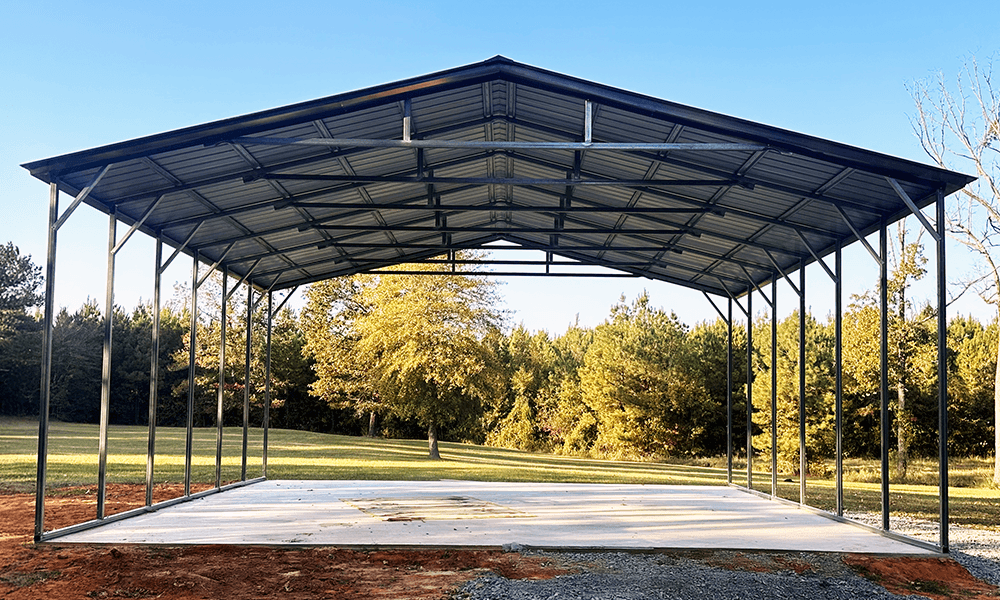
September 4, 2026
Cleaning and Caring for Your Carport’s Exterior
Your carport’s exterior takes on more punishment than almost any other part of your property. Sun, rain, pollen, and road…
Read Full Article
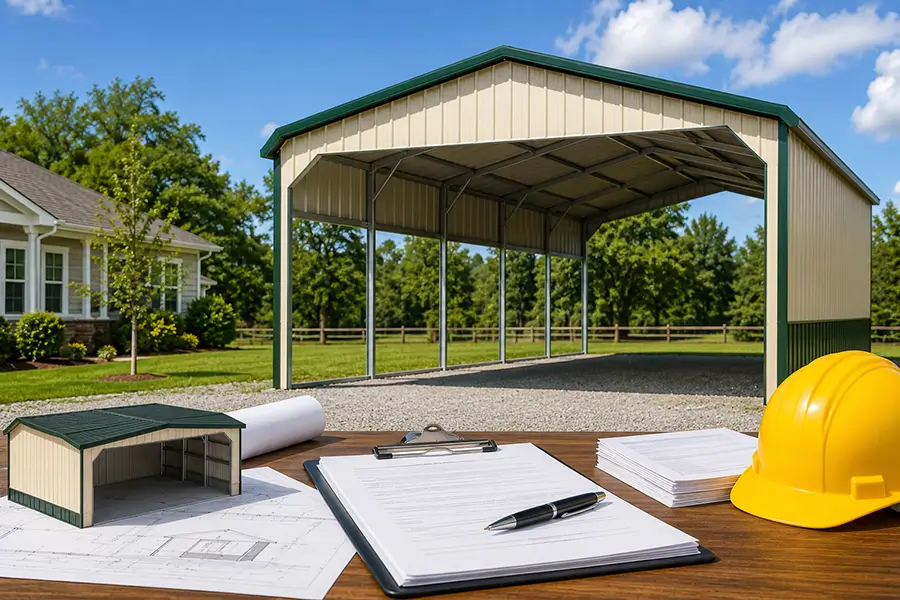
August 24, 2026
Metal Carport Permits Made Easy: Homeowner’s Guide
Metal Carport Permits Made Easy: Homeowner’s Guide Adding a metal carport is one of the fastest ways to protect vehicles,…
Read Full Article