Customer Service
(903) 234-8922

Metal Carport Guide: Choosing, Financing & Maintenance
Published December 5, 2025
Whether you’re protecting vehicles, boats, RVs, equipment, or creating a covered workspace, a metal carport is one of the strongest, most reliable, and most affordable structures you can add to your property. Modern steel carports require very little maintenance, last for decades, and offer flexibility for both homeowners and businesses. This expanded guide explains everything you need to know — from choosing the right size and roof style to installation, warranties, and long-term care — so you can make a confident and informed investment.
Step 1 — Define Your Purpose and Priorities
The first step in choosing the right metal carport is understanding exactly how you plan to use it. Some buyers only want basic coverage for a single vehicle, while others may need room for multiple cars, boats, or ATVs. If you plan to use your carport as a workshop, you might want extra width or partial walls for shade. If you need space for outdoor projects, airflow and open sides might be more important. The clearer you are about your main purpose, the easier it becomes to choose the right structure.
Think about questions like: What needs protection? How often will you use the space? Do you expect your storage needs to grow in the next few years? Answering these questions early prevents you from choosing a size that is too small or features that don’t fit your long-term plans.
Step 2 — Choose the Right Size and Structure
Carports come in many different sizes, and choosing the right one is a major part of the buying process. A single carport works well for one vehicle, but many customers choose a double or triple size so they have extra space for guests, equipment, or future vehicles. If you own a boat, tall truck, or RV, height becomes even more important. RV covers offer higher clearance and stronger framing to protect larger vehicles from sun, rain, and hail.
Clear-span structures are ideal when you need a large open area with no interior poles, such as for farm equipment, multiple vehicles, or a covered work bay. Using tools like the East Texas Carports 3D designer can help you visualize your final design and make sure everything fits your property correctly. For guidance on structural spacing, resources like the National Institute of Building Sciences provide helpful engineering insights.
Step 3 — Selecting the Right Roof Style
The roof you choose affects the durability, appearance, and long-term performance of your structure. A regular roof is affordable and works well in mild climates. A boxed-eave roof offers a more modern look and improved strength. A vertical roof is the strongest option, designed with vertical panels that help snow, leaves, and debris slide off easily. If you live in an area with heavy rain, strong winds, or winter weather, a vertical roof is usually the best choice. Regions with extreme weather may benefit from reviewing FEMA’s building guidance for best practices.
Your roof also plays a major role in how your carport blends with your home. Many buyers choose a style that matches their house roof so the new structure looks like an intentional part of the property rather than an add-on.
Step 4 — Materials, Frame Strength & Wind Ratings
One of the biggest advantages of a steel carport is its durability, but not all steel structures are the same. Look for galvanized steel, which resists rust and corrosion and performs well in changing weather conditions. Thicker steel gauges provide stronger support, especially for taller or wider structures. You should also check the wind and snow ratings required for your area. Resources such as the International Code Council offer detailed information on building code standards across different regions.
Stronger frames and higher wind ratings may add a little to the cost, but they protect your investment long-term. Reinforcement options such as additional bracing, anchors, and upgraded panels can make your structure even more secure. You can also review structural load recommendations through university engineering sources like FSU Engineering.
Step 5 — Add-Ons and Custom Features
Customizing your carport lets you turn a simple shelter into a multi-purpose building. You can add side panels, full walls, or gables to block wind and sun. Walk-in doors, windows, and garage doors can turn a basic carport into an enclosed workshop or storage space. Lean-tos add extra covered room for garden tools, firewood, or outdoor equipment. These options make your structure more functional and personalized to your needs.
Many customers also choose color options that match their home or existing buildings, giving the property a clean, coordinated look. Thinking about your long-term needs now can prevent expensive upgrades later.
Step 6 — Permits and Site Preparation
Most cities and counties have rules about adding new structures, including metal carports. You may need a permit depending on the size, location, or height of your structure. Homeowners associations (HOAs) may also have requirements about appearance, colors, and placement. Checking these rules in advance can save time and avoid unexpected delays. For guidance, refer to the U.S. Department of Energy for site-prep and efficiency recommendations.
Site preparation is equally important. Your installation area should be level, clear of obstacles, and strong enough to support your carport. Proper grading ensures water flows away from the structure, protecting the frame from long-term moisture damage. Getting the site ready before installation day helps the process go smoothly.
Step 7 — Financing Options
Many people are surprised to learn that metal carports have flexible and affordable financing options. Rent-to-own programs allow you to get your structure quickly without paying the full cost upfront. Traditional financing with low monthly payments is also available for qualified buyers. Exploring carport financing plans ensures you choose the option that best fits your budget.
Financing allows customers to upgrade to stronger frames, bigger structures, or additional features without waiting months or years to save the full amount.
Step 8 — Understanding Warranties
A strong warranty is one of the best signs of a trustworthy manufacturer. Warranties typically cover the steel frame, roof panels, and workmanship. Frame warranties protect against structural issues, while paint or panel warranties cover rust or fading for a certain number of years. Always read the warranty details and ask questions so you understand exactly what is covered.
A good warranty not only protects your structure but also shows that the company is confident in the quality of its materials and craftsmanship.
Step 9 — Installation
Professional installation is essential for long-term durability. Installers secure your structure with anchors matched to your foundation type — whether you’re installing on dirt, gravel, asphalt, or concrete. Proper anchoring prevents shifting during storms and ensures the carport meets wind-rating standards. Safety guidelines similar to those published by OSHA help ensure proper and safe handling during installation.
With East Texas Carports, installation and delivery are included with most orders, which helps save time and stress. A prepared site, clear access for installers, and understanding the timeline all help installation go smoothly.
Step 10 — Maintenance Tips for Long-Term Durability
One of the best things about metal carports is how little maintenance they require. Still, a few simple steps will help keep your structure in top condition for years. Rinsing dirt, dust, or salt buildup reduces corrosion. Tightening screws once a year prevents shifting. Trimming nearby bushes or branches keeps debris from collecting on the roof and reduces the chance of scratches.
Regular inspections take only a few minutes but can prevent small issues from turning into expensive repairs later.
Cost Considerations
The cost of a metal carport depends on several factors: size, roof style, steel gauge, custom features, and foundation type. Larger structures, vertical roofs, and stronger frames cost more but also offer better protection. Using the 3D designer tool helps you see how changes in size or features affect the price.
Many buyers also consider long-term savings. Metal structures often cost less than wood buildings, last longer, and require fewer repairs — making them a smart investment over time.
Choosing a Reputable Manufacturer
Selecting the right manufacturer is just as important as choosing the right size or features. A reputable company will provide clear pricing, high-quality steel, professional installation, and strong warranties. Reviews, ratings, and customer photos are all helpful when comparing companies. For consumer education, sites like the Better Business Bureau provide transparent company ratings.
East Texas Carports is known for dependable materials, transparent quotes, and excellent customer service, making the buying process straightforward and stress-free.
Final Thoughts
A metal carport is more than a simple shelter — it’s a long-term investment that adds value, convenience, and protection to your property. With the right planning, materials, and installation, your structure can last for decades with very little upkeep. Whether you're looking for vehicle protection, extra workspace, or a custom steel building, the East Texas Carports website is the best place to start designing your ideal structure today.
RECENT ARTICLES
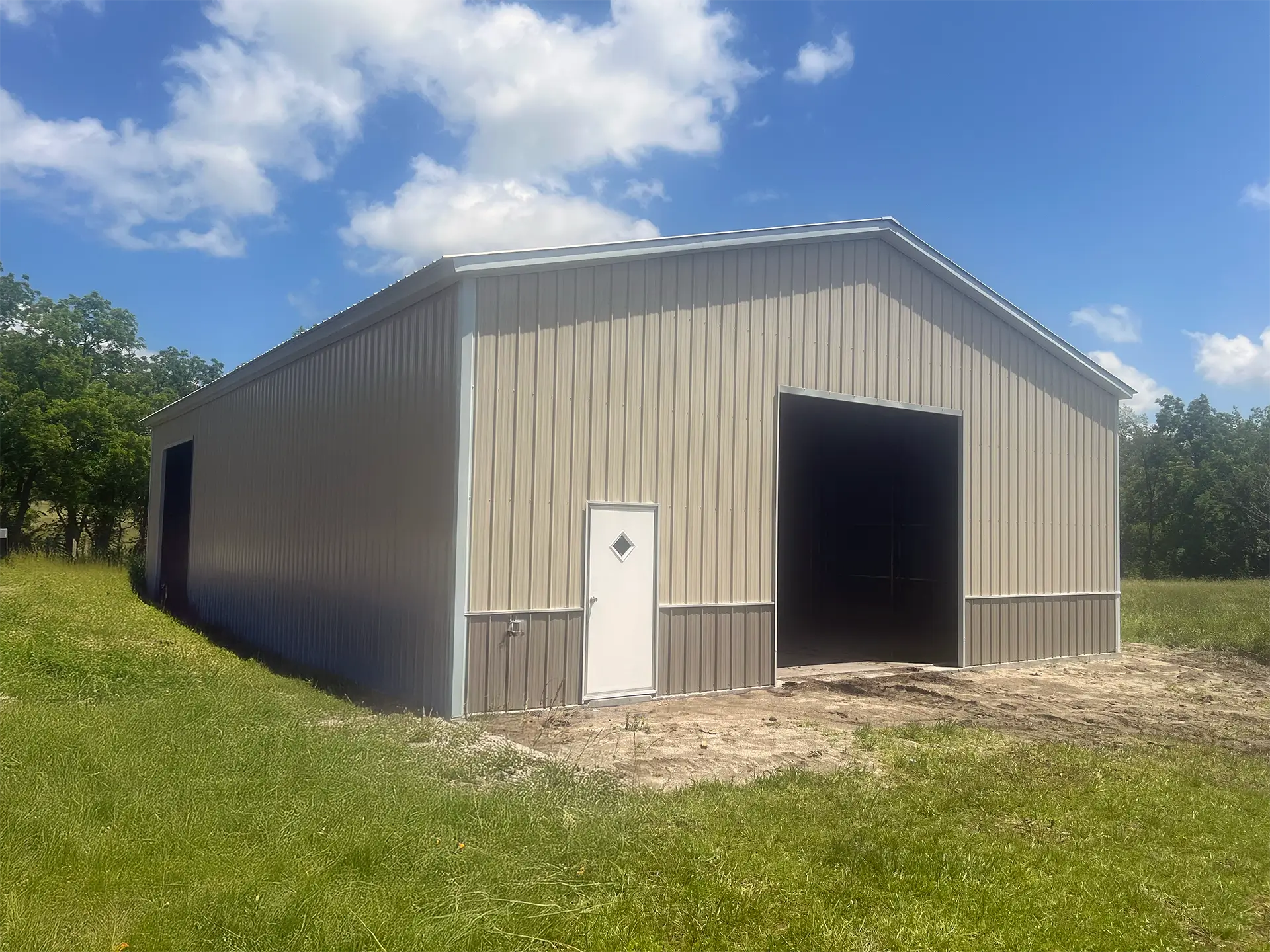
September 18, 2026
Does a Metal Carport Lower Homeowners Insurance?
Most homeowners think about a carport or garage in terms of what it protects. Your truck. Your boat. Your lawn…
Read Full Article
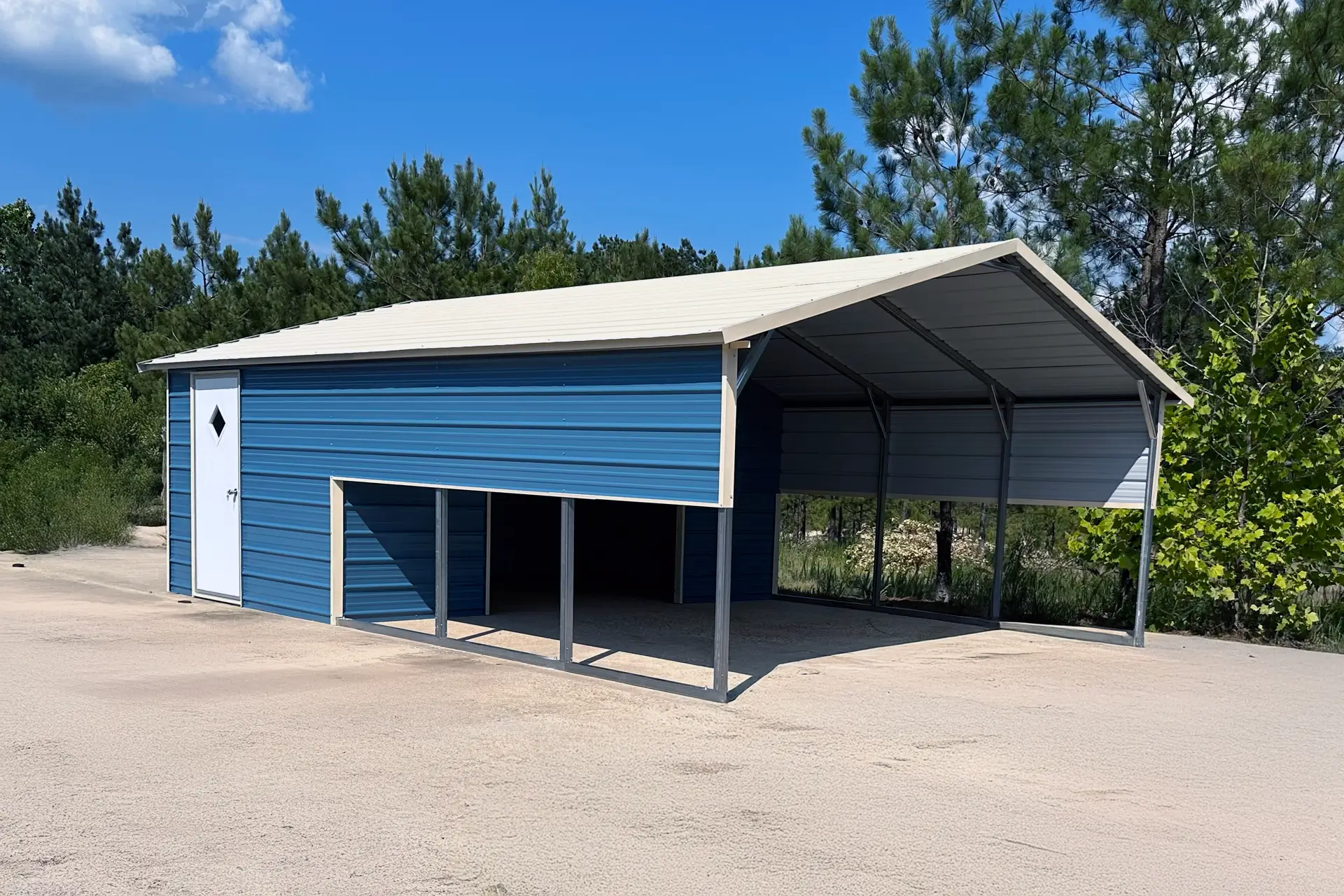
September 11, 2026
Benefits of East Texas Carports for Homeowners
East Texas homeowners need covered parking and storage that can handle heat, humidity, heavy rain, hail, and sudden storms without…
Read Full Article
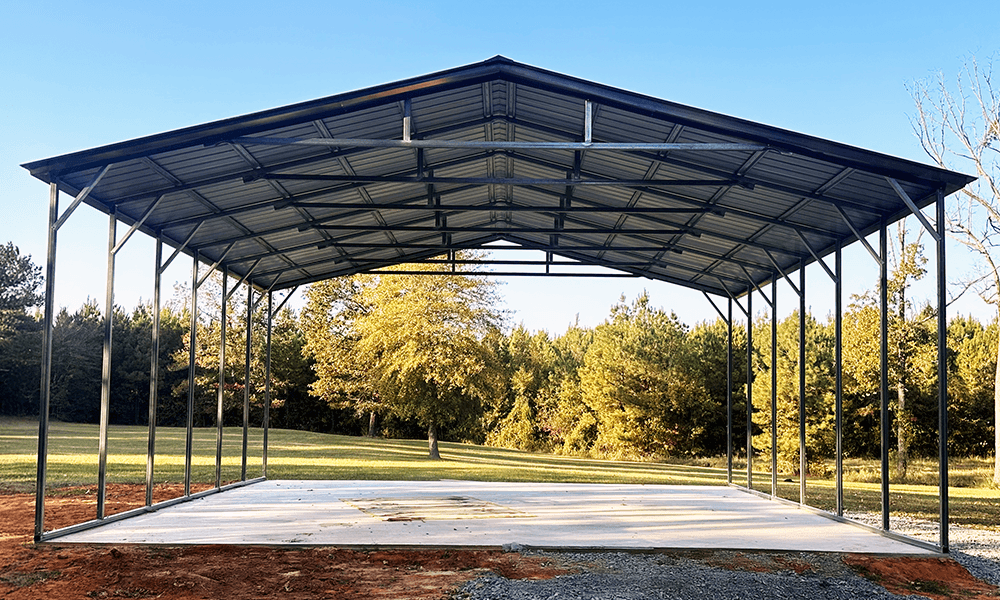
September 4, 2026
Cleaning and Caring for Your Carport’s Exterior
Your carport’s exterior takes on more punishment than almost any other part of your property. Sun, rain, pollen, and road…
Read Full Article
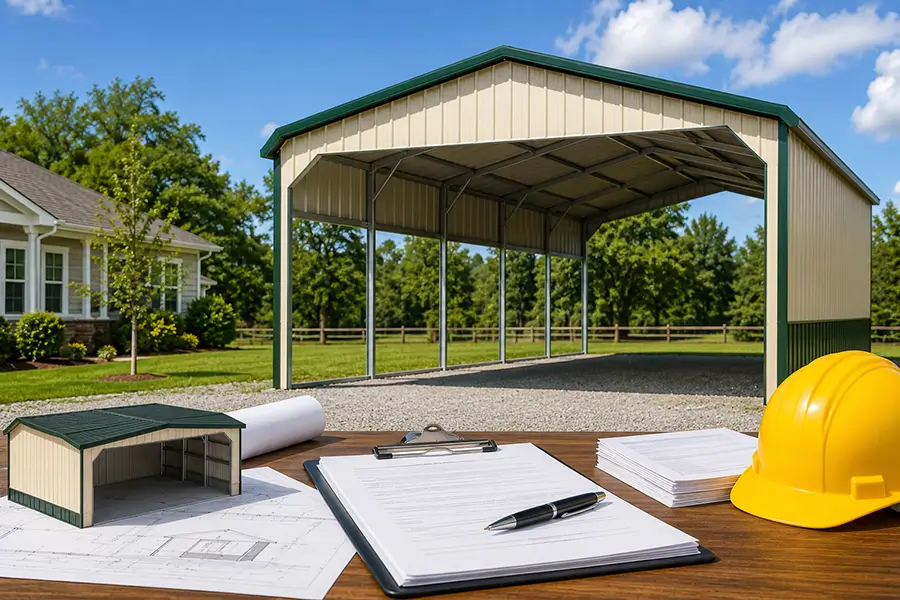
August 24, 2026
Metal Carport Permits Made Easy: Homeowner’s Guide
Metal Carport Permits Made Easy: Homeowner’s Guide Adding a metal carport is one of the fastest ways to protect vehicles,…
Read Full Article